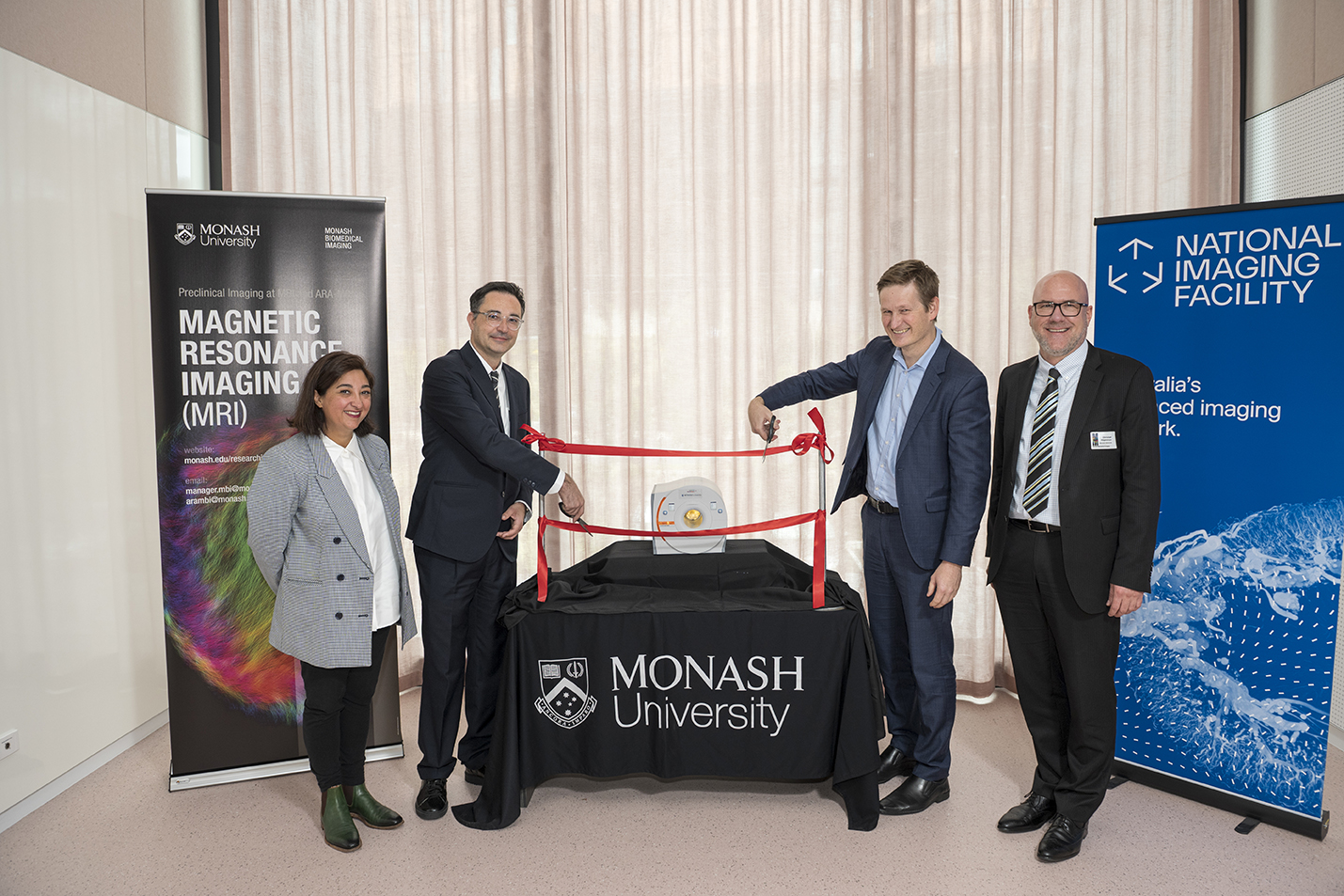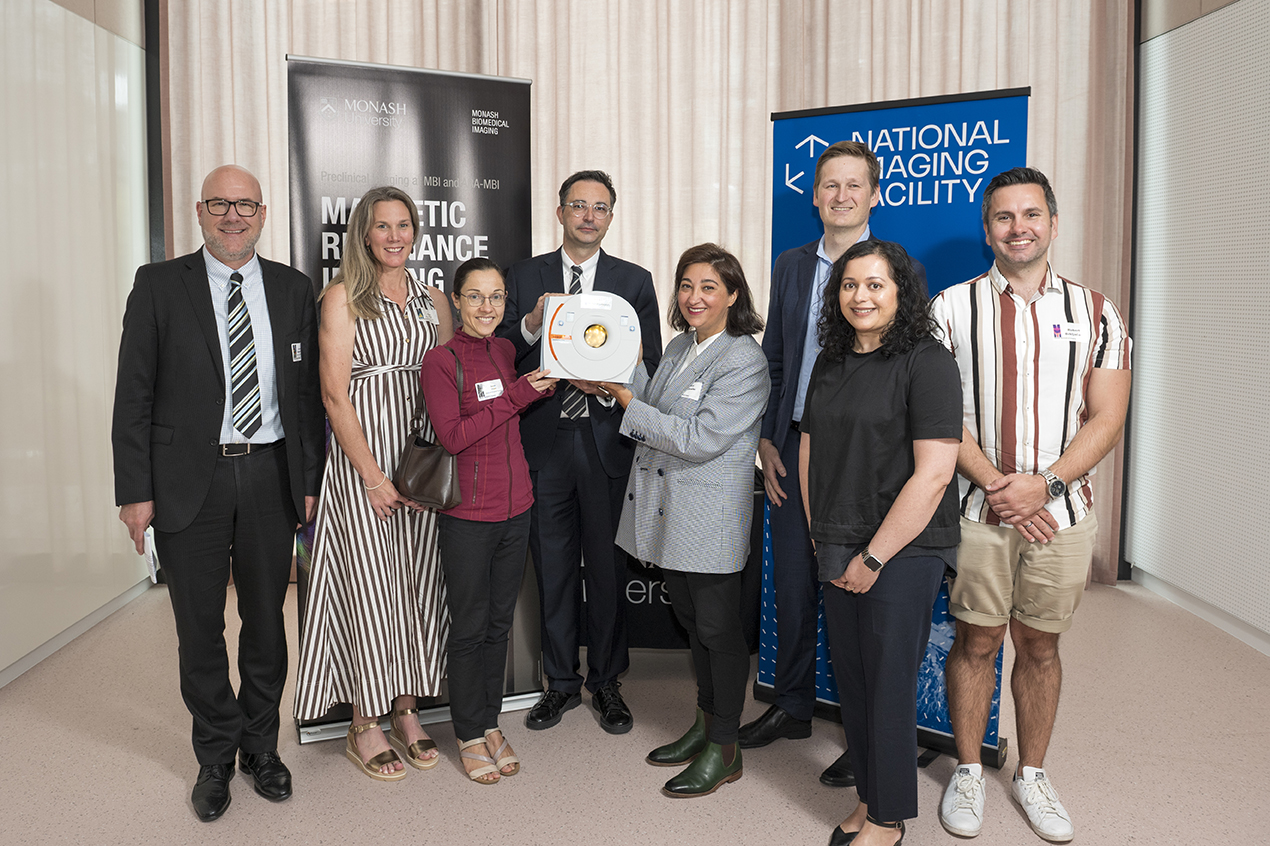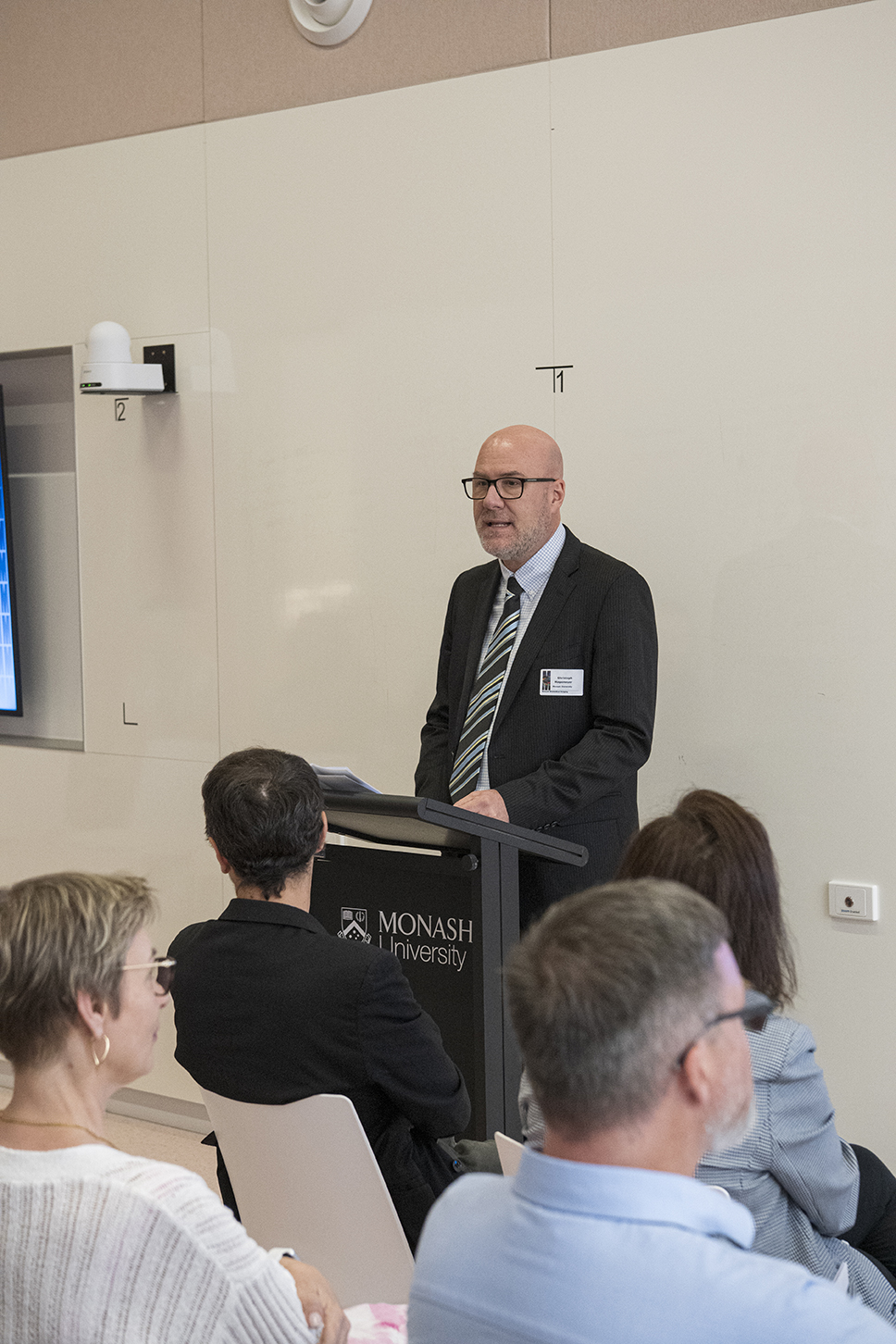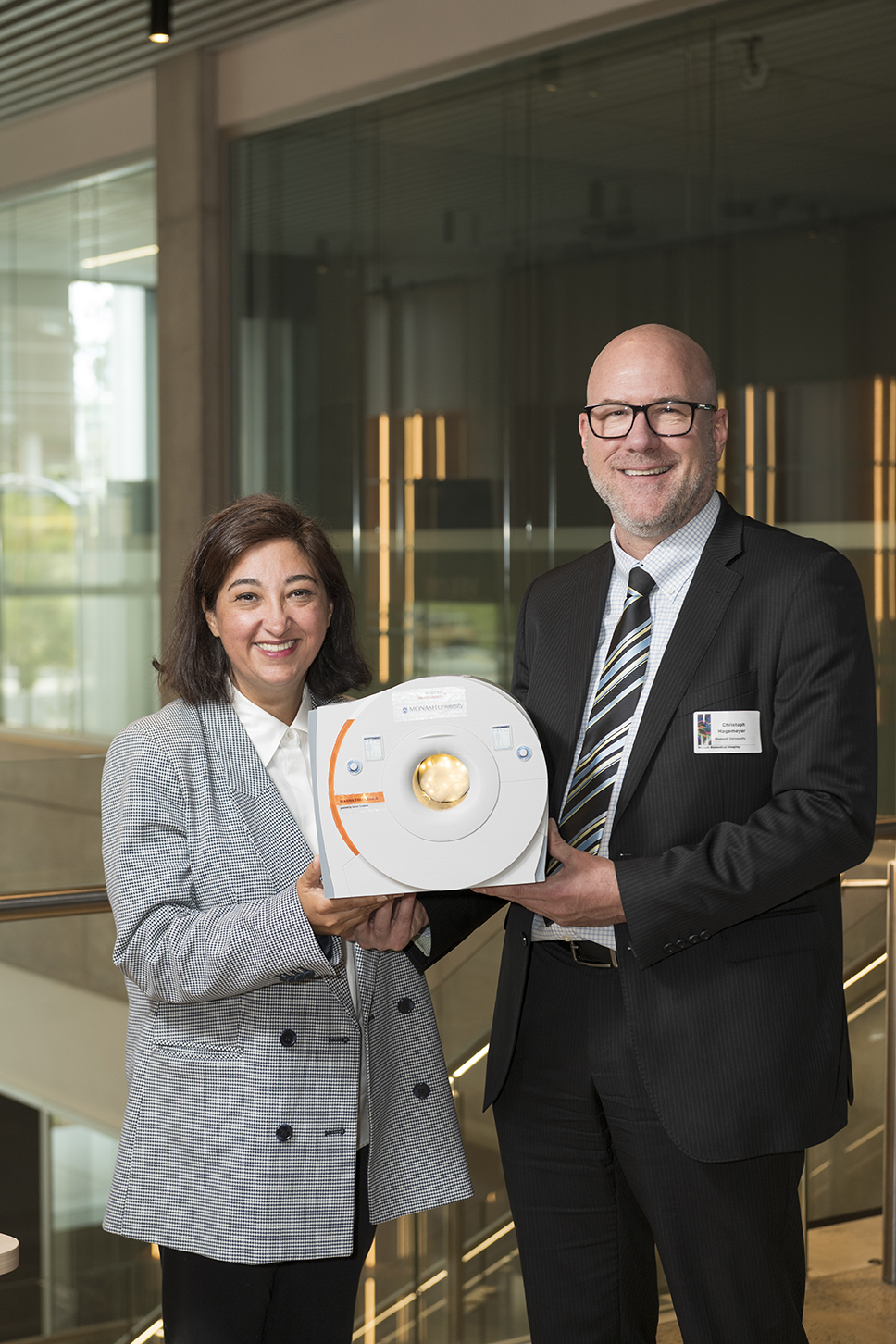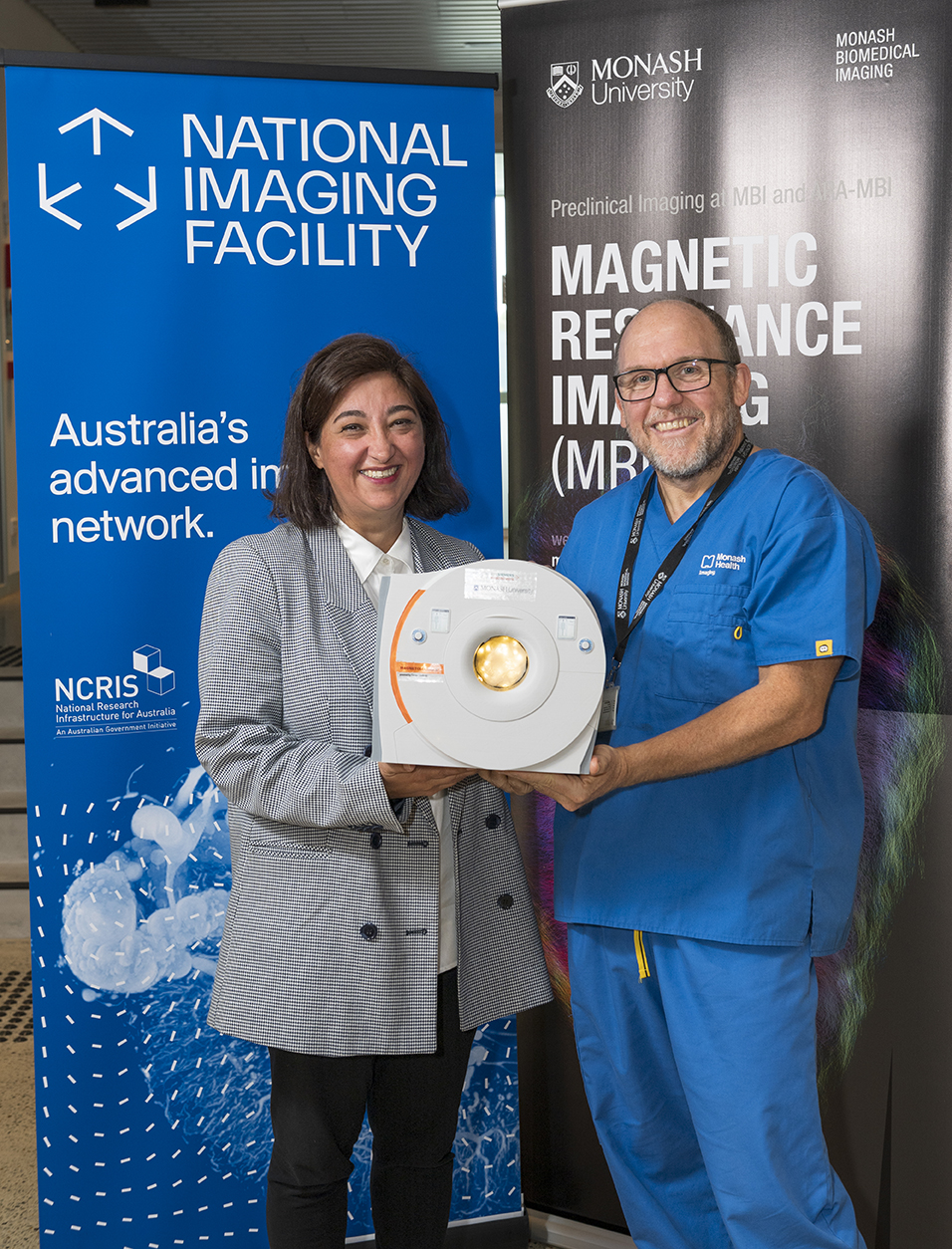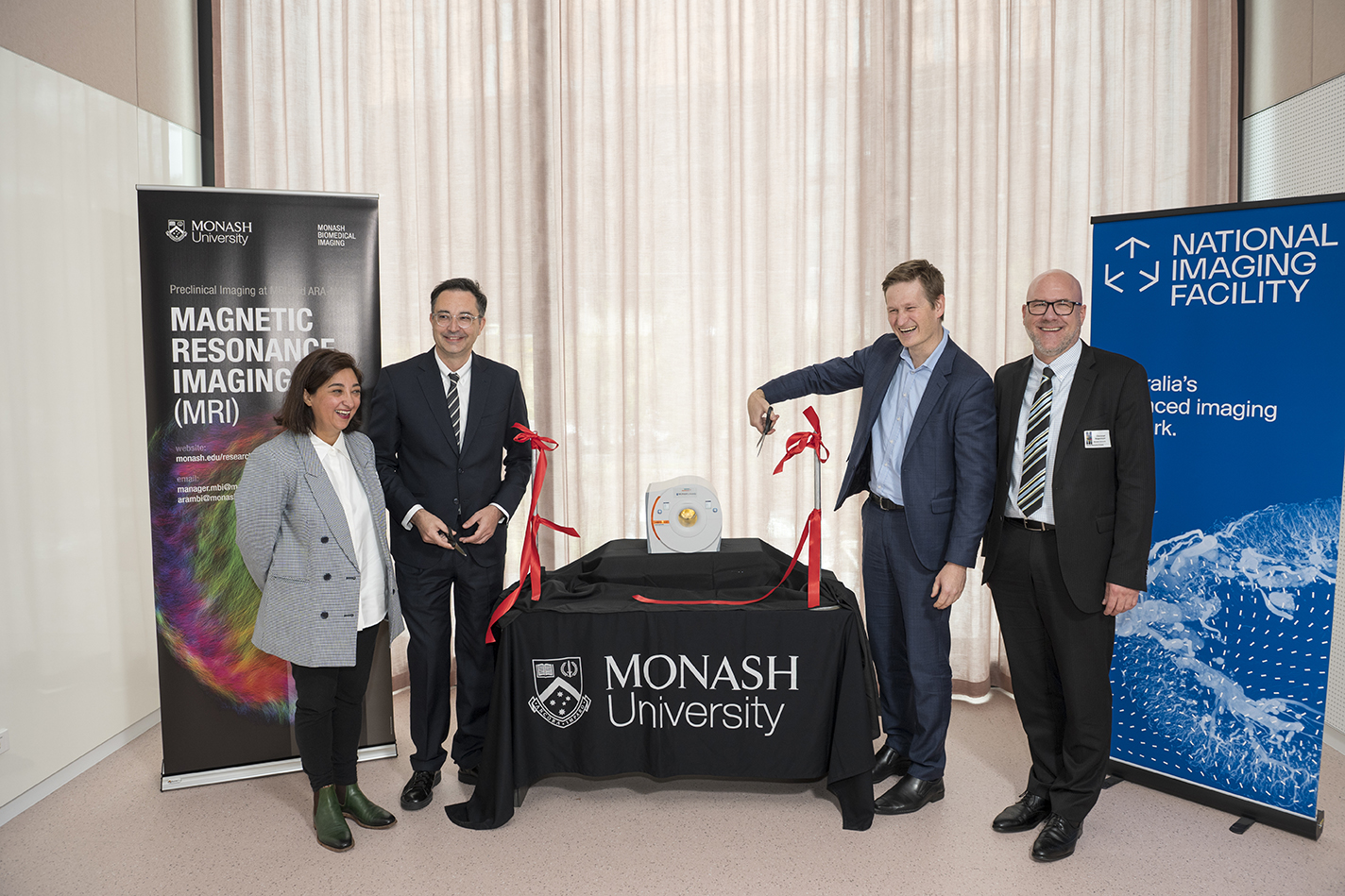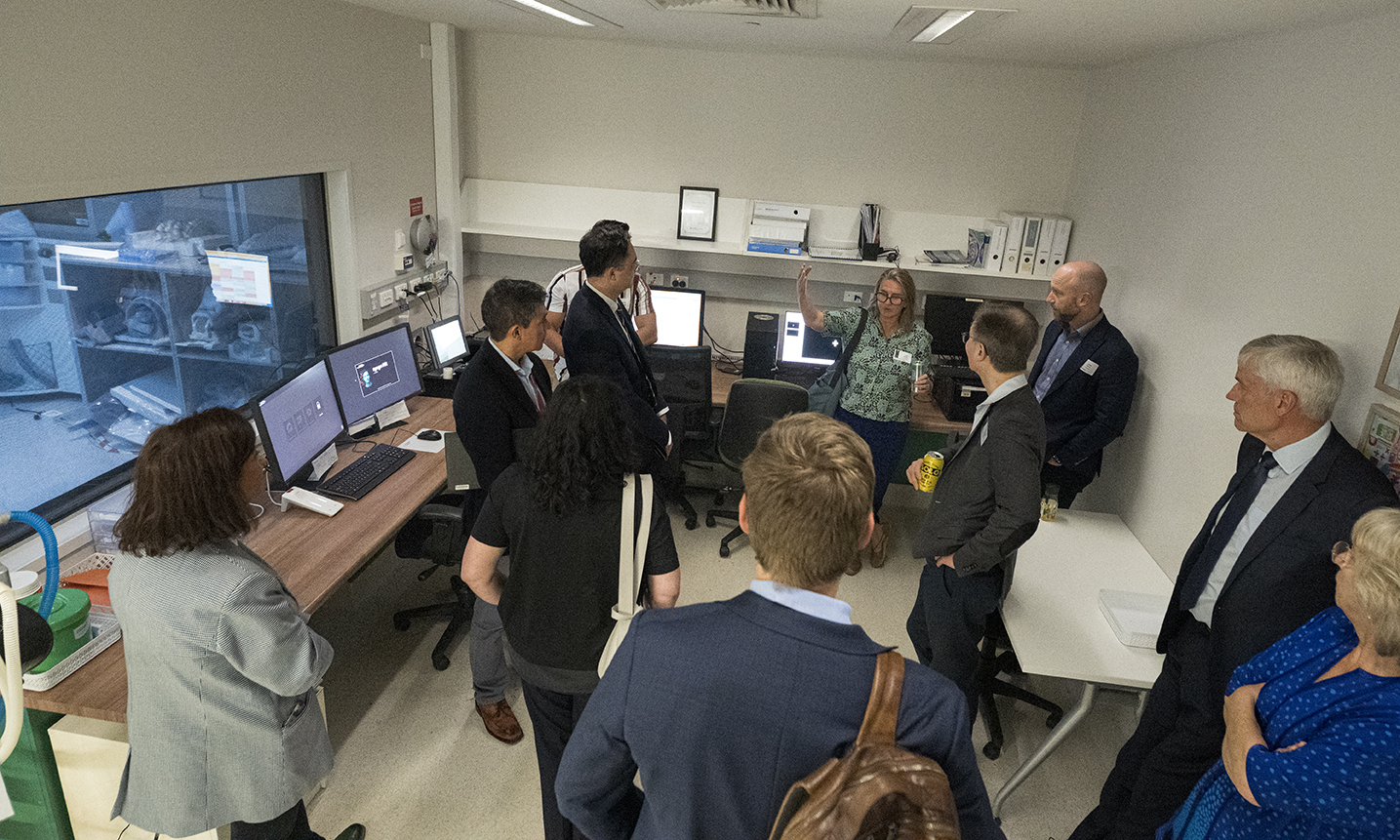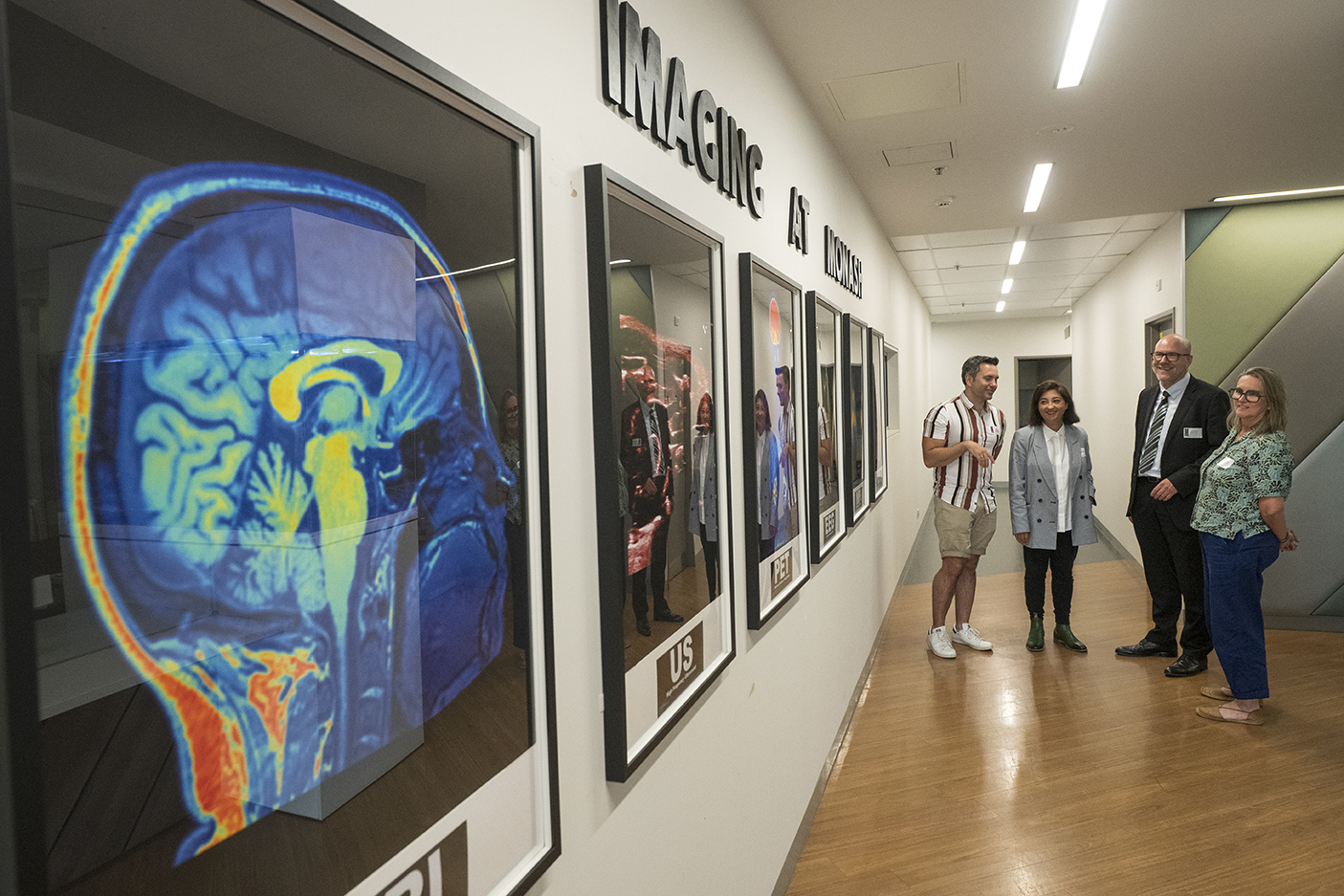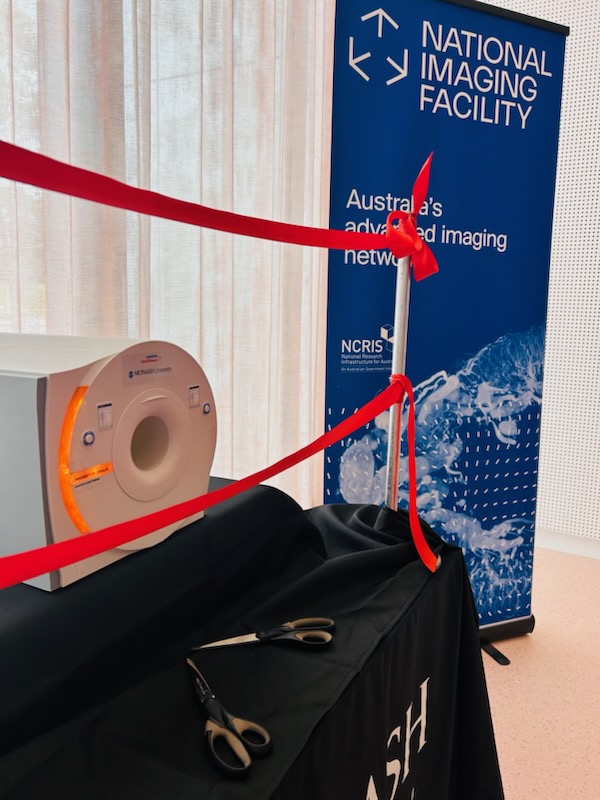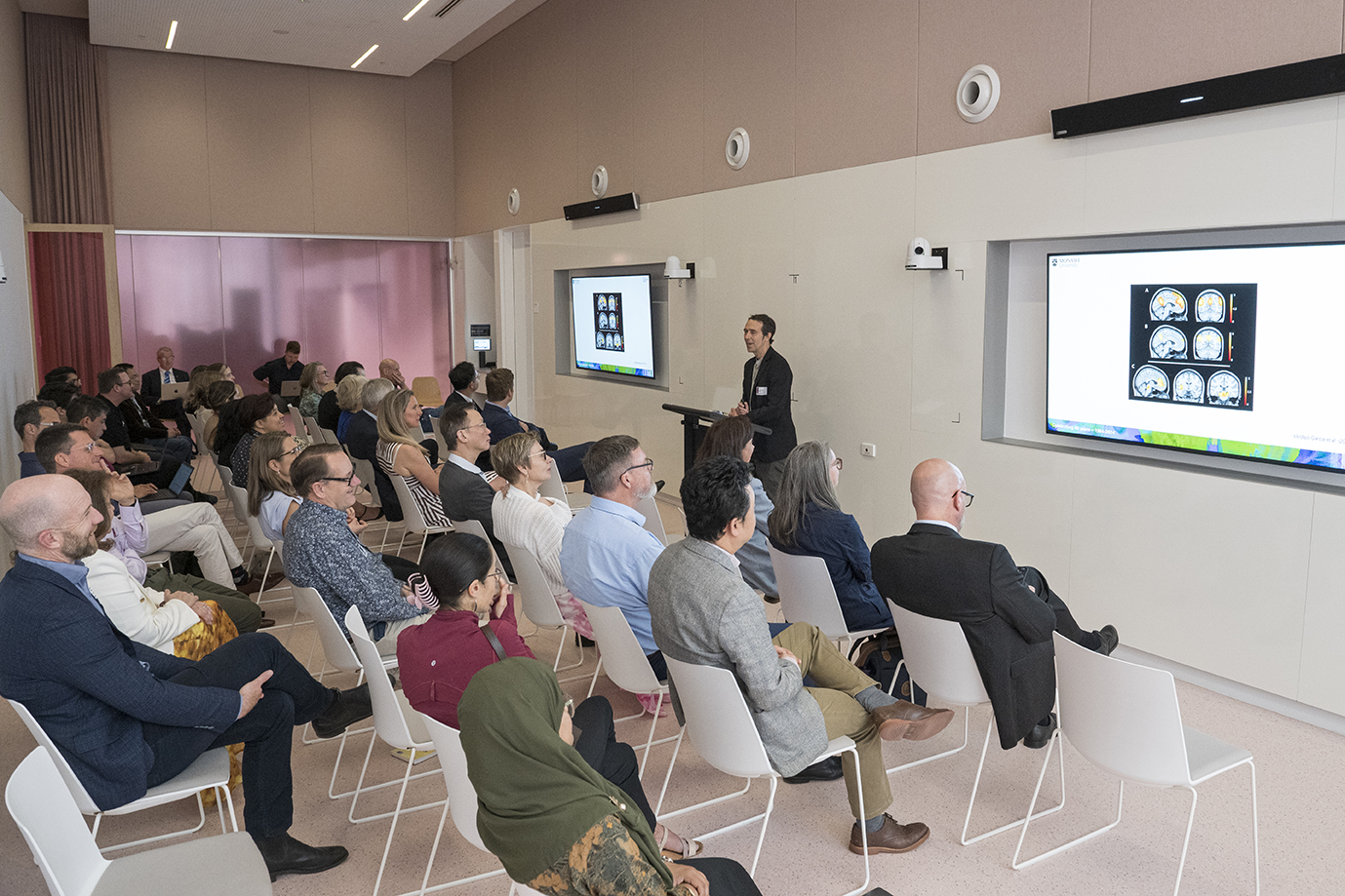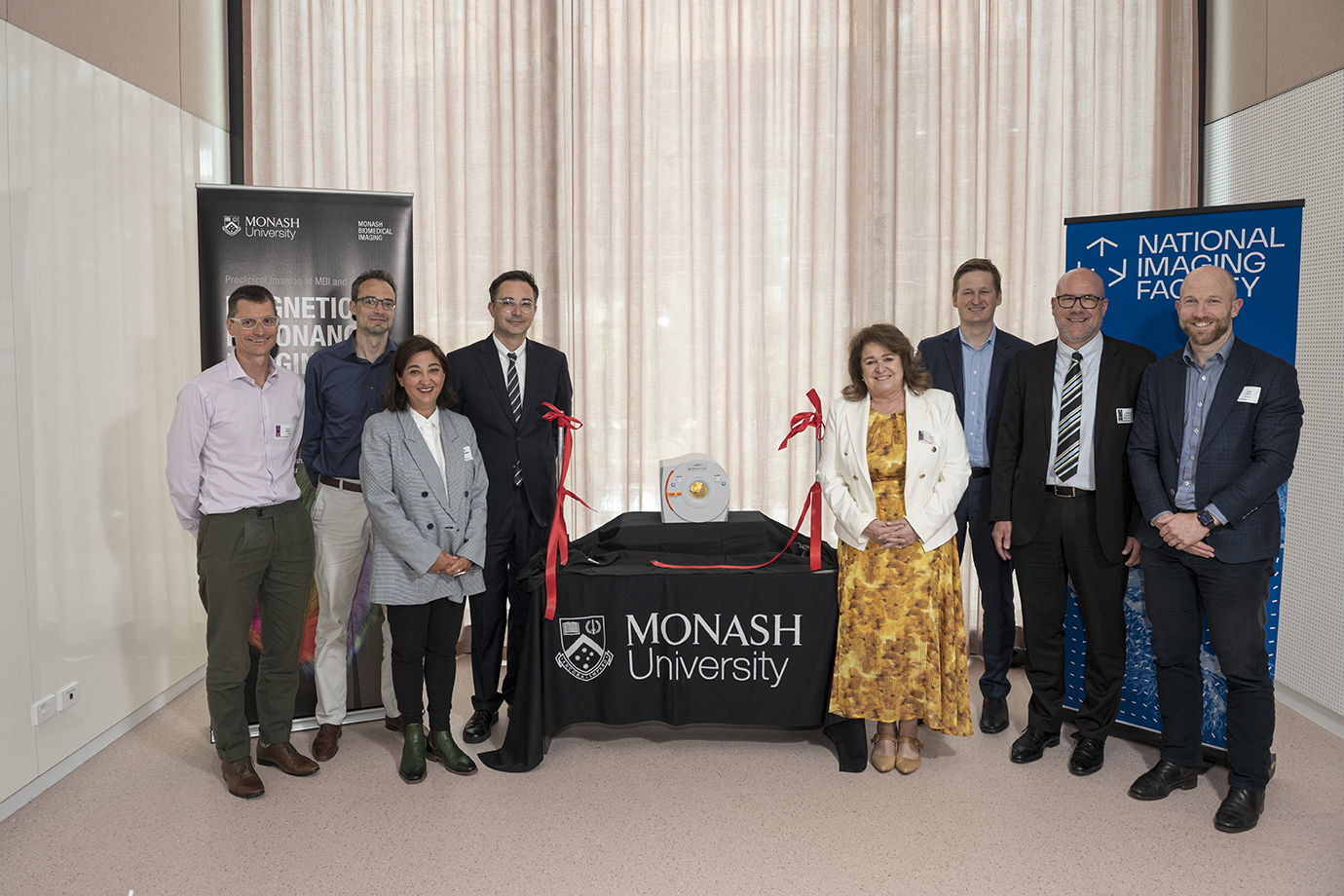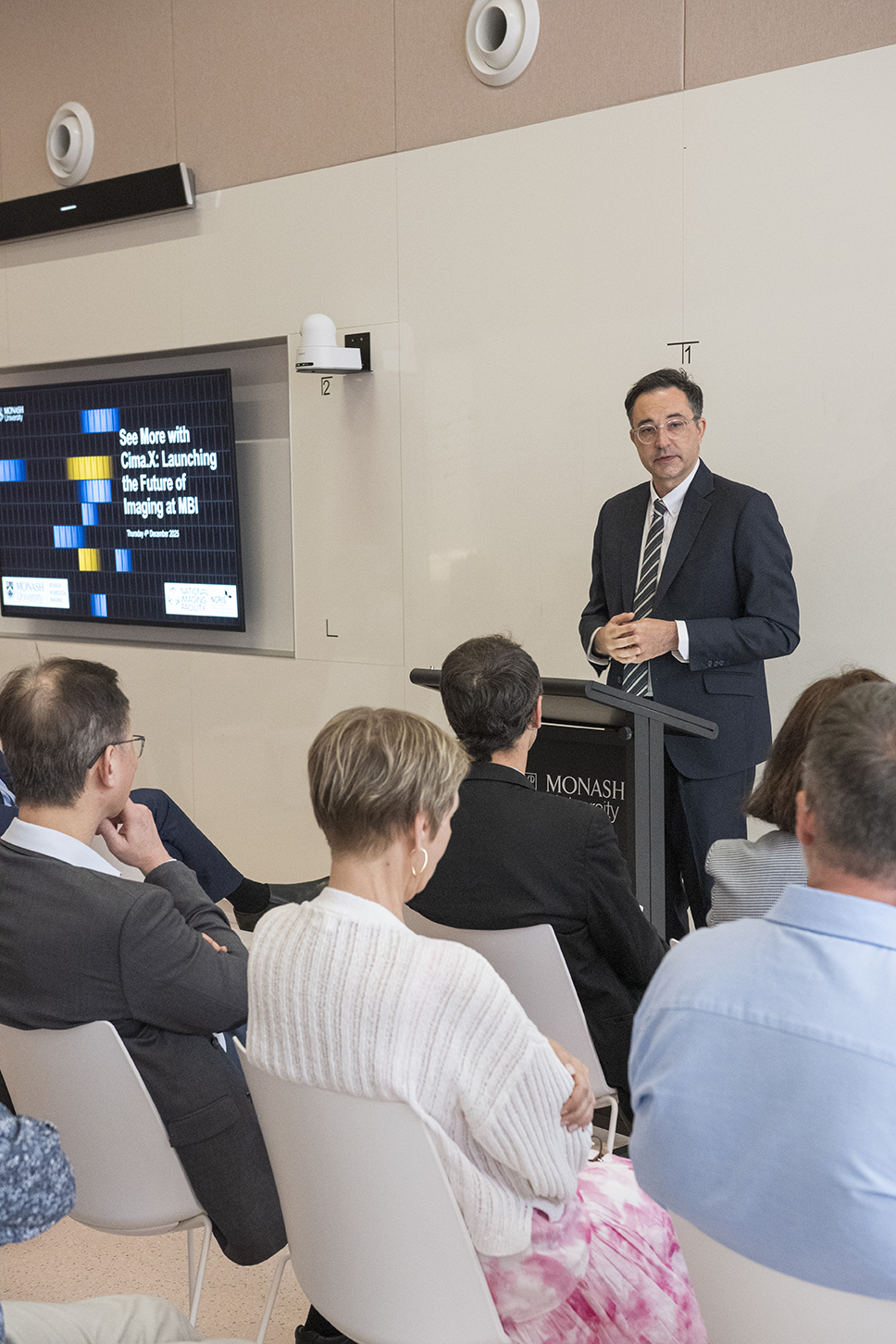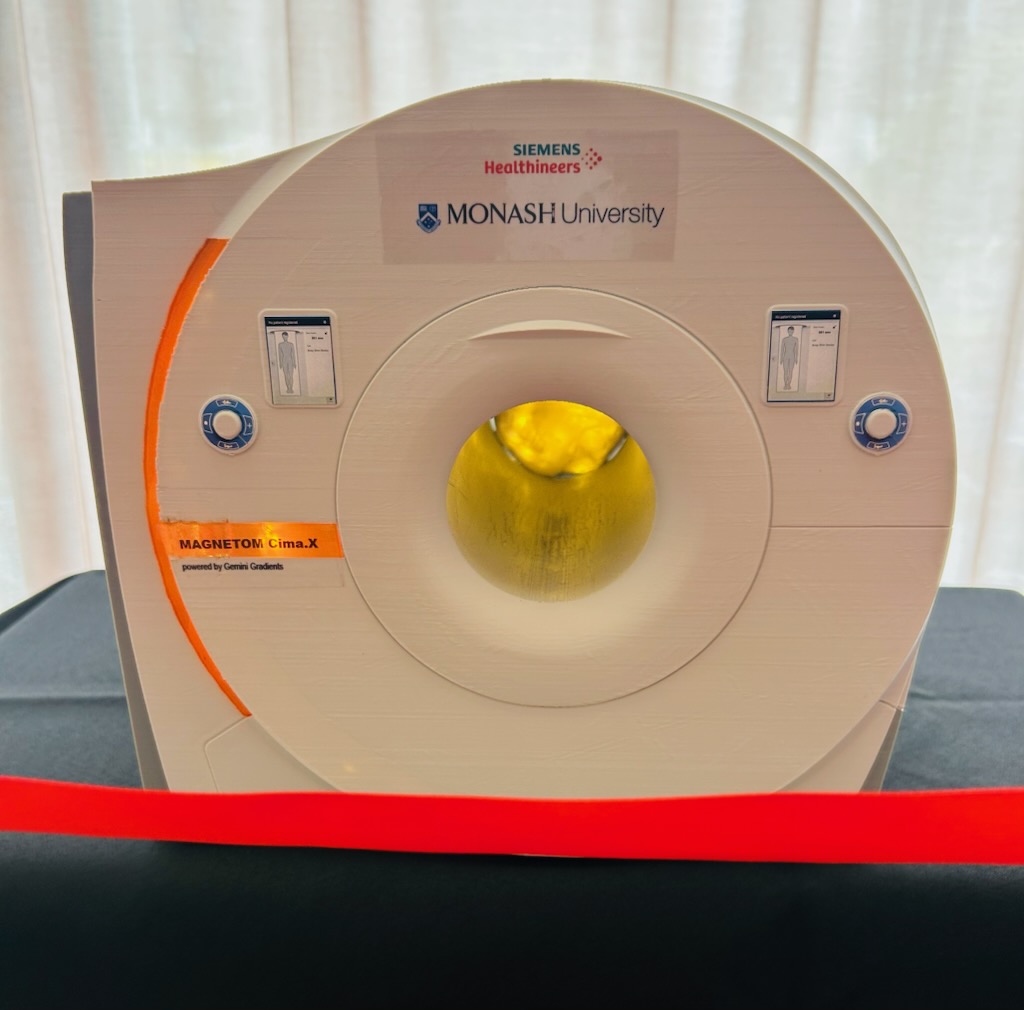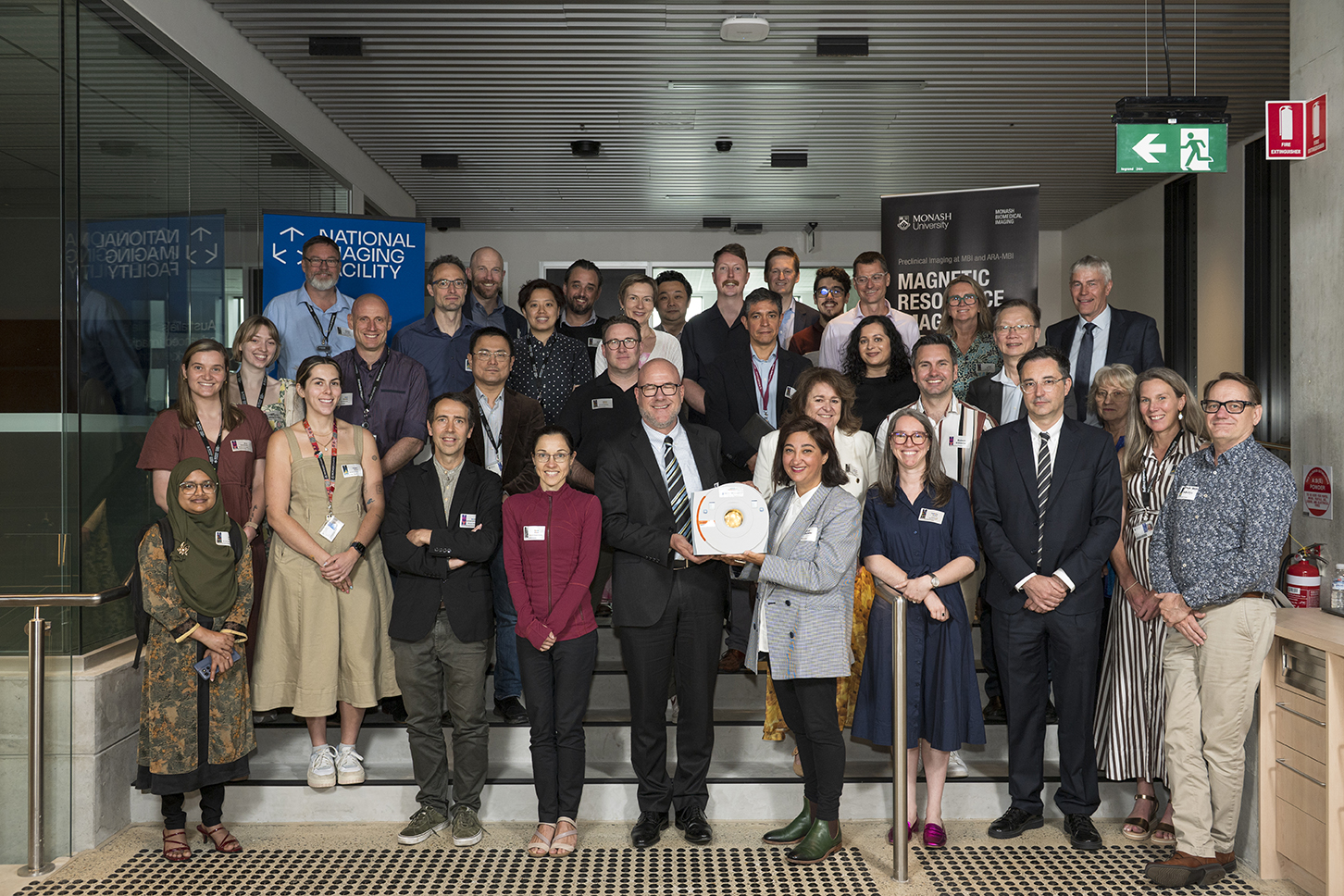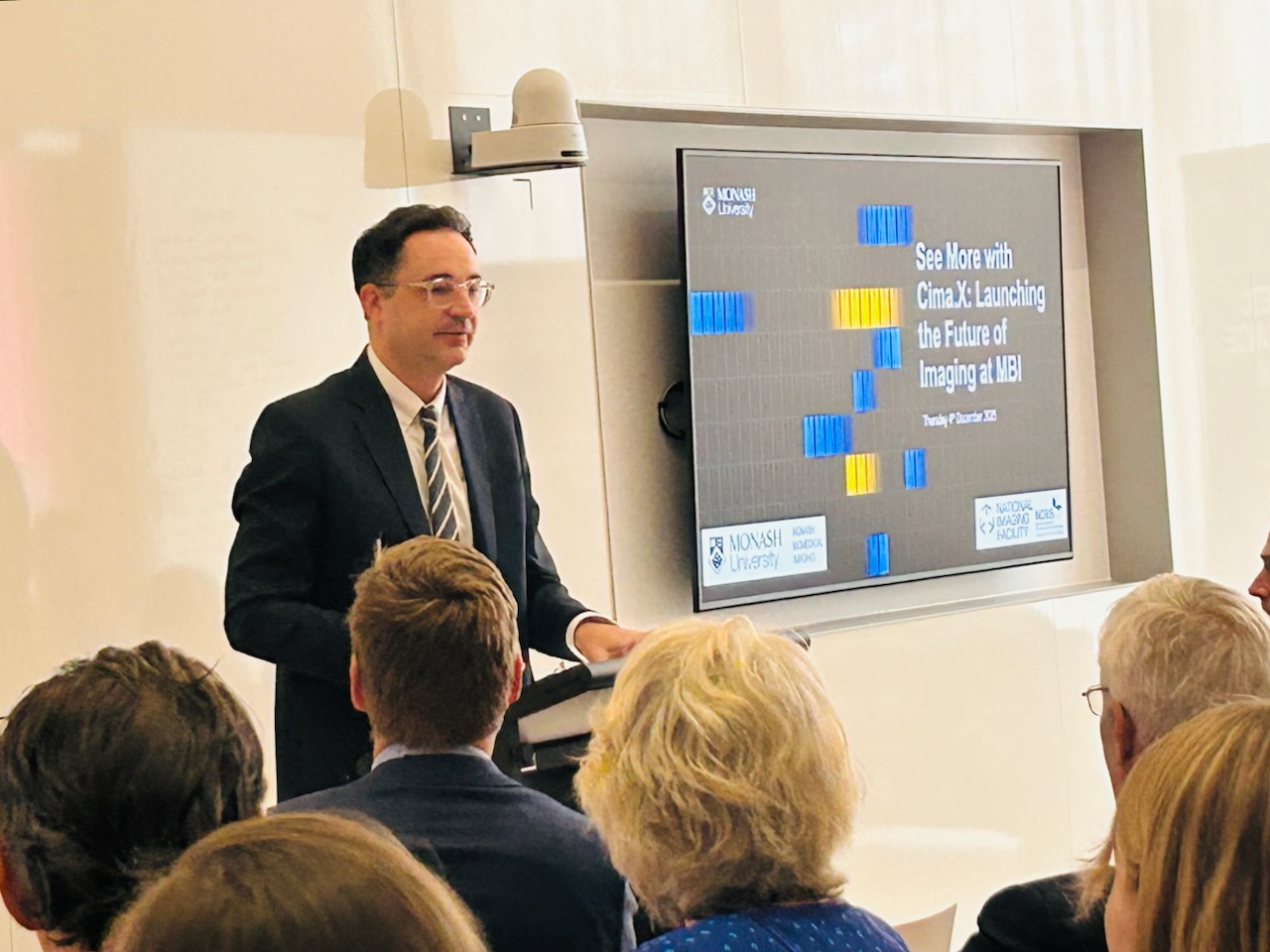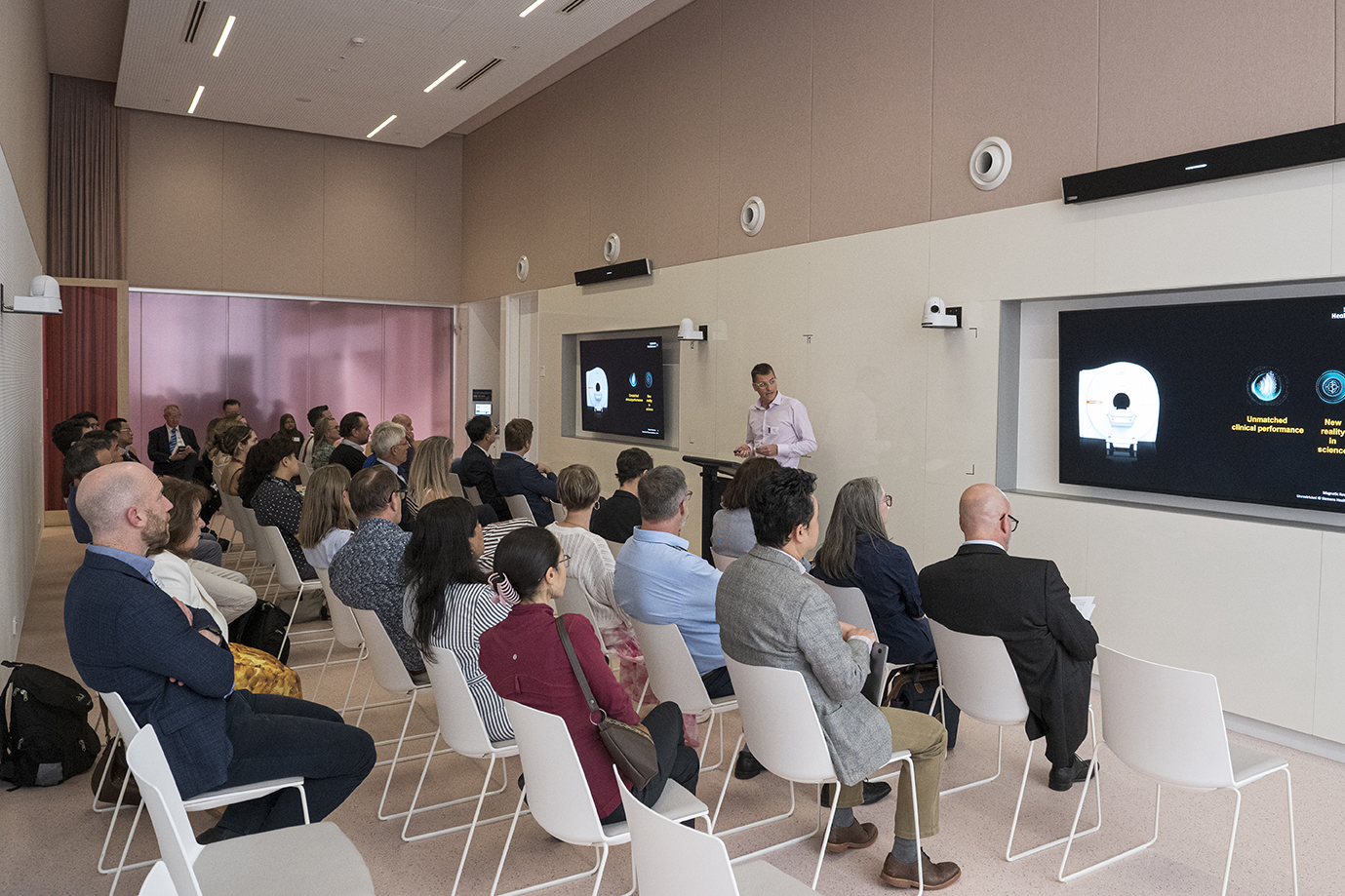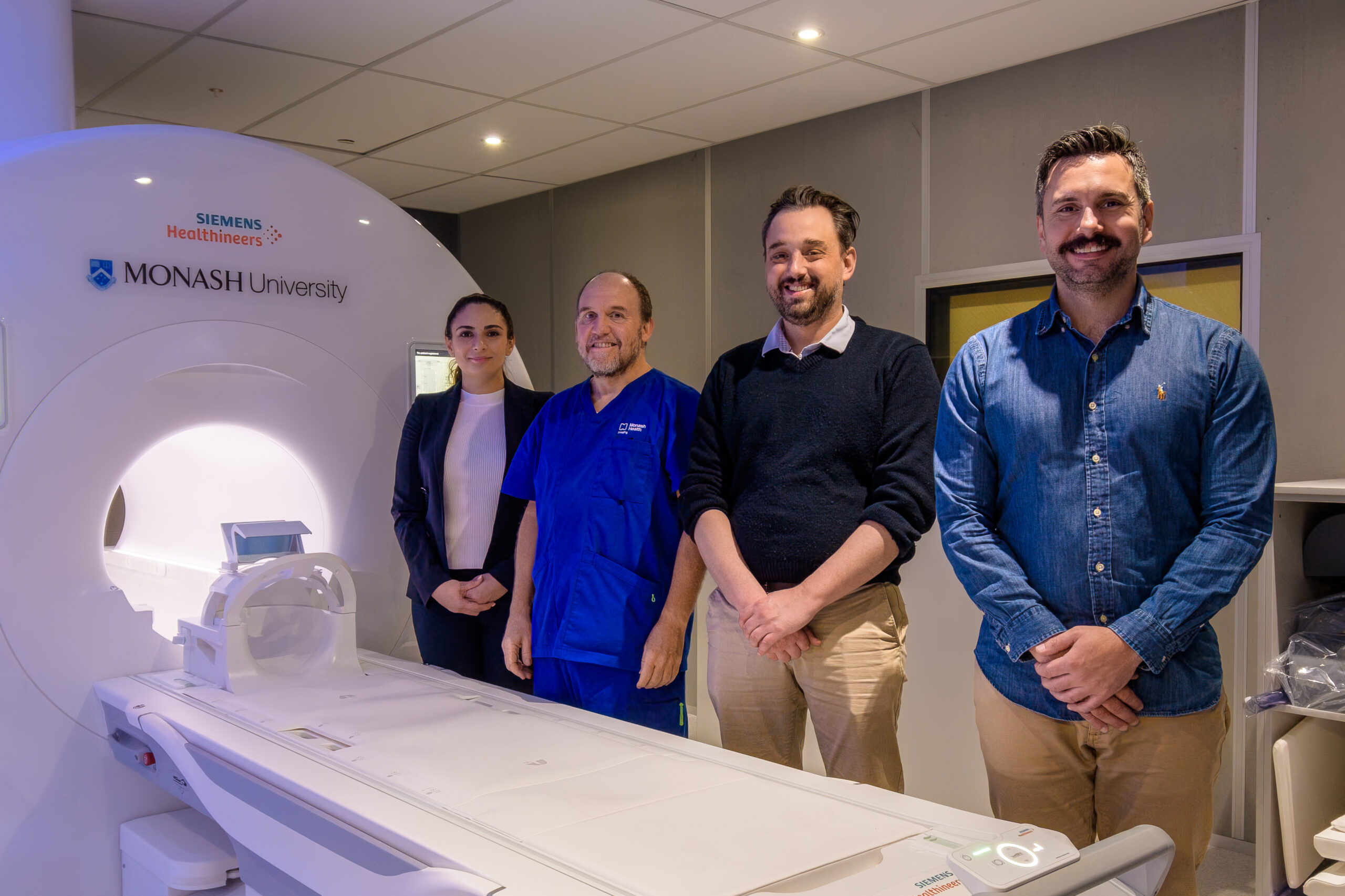

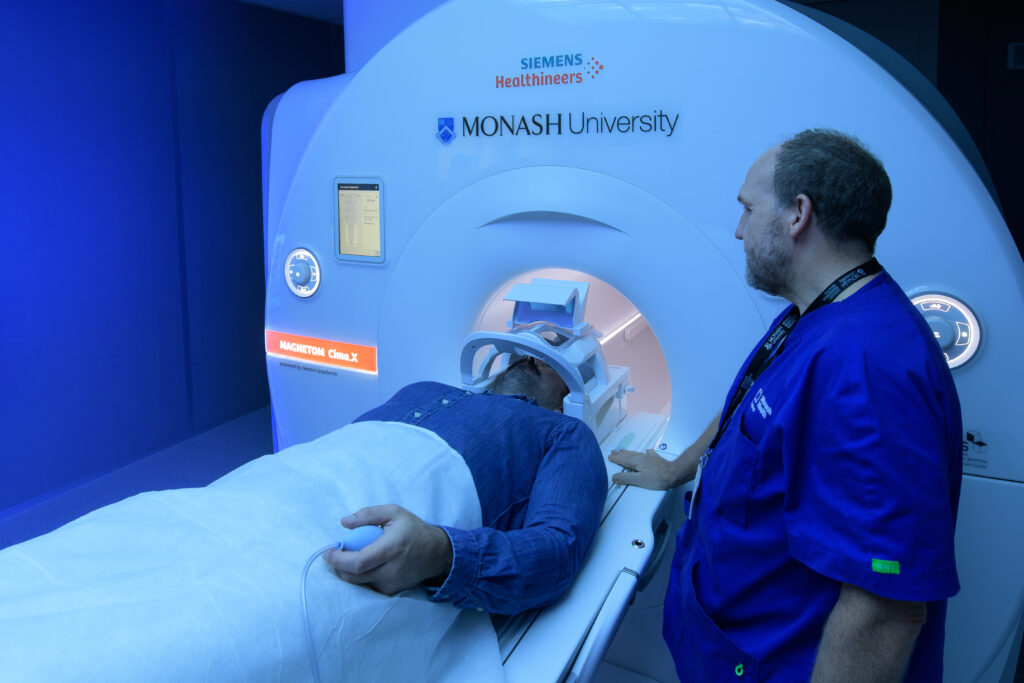
Today Monash University and the National Imaging Facility launched the most advanced MRI scanner in Victoria, which provides vastly better resolution and faster scans for patients. The new Siemens Healthineers MAGNETOM Cima.X 3T MRI scanner, hosted by Monash Biomedical Imaging (MBI) at Clayton, provides real-world benefits for patients and accelerates translational research for Australians.
The new Cima.X replaces an existing system at MBI and was delivered through $2 million in matched co-investment from Monash University and the National Imaging Facility (NIF) via Australian Government Department of Education NCRIS funding.
This advancement in Monash’s imaging capability will enhance translational research into brain and cognitive health – supporting new discoveries into the biology of dementia, schizophrenia, addictive behaviours, and epilepsy – as well as advancing research into cancer, vascular diseases and bone tumours – accelerating translation from bench to bedside.
“So much of today’s diagnosis and treatment relies on MRI scans. The Cima.X instrument has the highest gradient strength in the world, which means better resolution faster than ever before, and much better patient comfort,” says Prof Christoph Hagemeyer (Director, MBI; NIF Node Director).
“Australian clinicians are aiming to diagnose many conditions earlier and improve treatments – and the Cima.X supports that critical work. It also enables foundational research being translated sooner into better care,” he says.
Isabelle Burke, a former carer of a patient, says she’s thrilled to see the new Cima.X installation “because I know that it will improve access to a timely diagnosis, which in turn allows patients and their loved ones to seek treatments and continue to live well.”

Quicker scans also mean better care for groups of people who find it hard to be still or confined – for instance, children, people with limited physical mobility, and people with claustrophobia.
MRI instruments can scan any part of the body, but the Cima.X is especially suited to neuroscience and mapping the intricate structure of the brain with unprecedented resolution and short scan times. The Cima.X is particularly useful for imaging the brain in vulnerable populations including pregnant women and children.
“The unparalleled capacity of the Cima.X to capture the intricate microstructure of the brain will lead to a step change in our understanding of neurological and psychiatric disorders,” says A/Prof Sharna Jamadar (Deputy Director, MBI; NIF Node Deputy Director).
“I am particularly excited about how the improved precision will benefit researchers like Prof Antonio Garcia-Verdejo, who is using the Cima.X to identify individualised treatment targets for alcohol use disorder, and Prof Adeel Razi, who is using the Cima.X to refine psychedelic therapies,” she says.
Beyond the clinic, the Cima.X will also help build new maps and atlases of the structure of the brain.
“A fundamental roadblock to understanding brain disorders is that we do not have a complete picture of the microstructure of the brain. The Cima.X will allow us to build the most precise maps of the information superhighways of the brain, at unprecedented resolution,” said Prof Alex Fornito.
For the facility, the new instrument also has the potential to drive down the cost of research because of the faster scans that can acquire even better data.
The MRI technology opens the door to new medical imaging for researchers, clinicians and industry, and strengthens Australia’s capacity for innovative research in global standings. The scanner joins NIF’s national network of instruments and expertise.
“These initiatives drive research collaboration and partnership and strengthen Australia’s international competitiveness for research that ‘translates’ basic scientific discoveries into practical applications that improve Australians’ health,” says Prof Wojtek Goscinski, CEO of the National Imaging Facility.
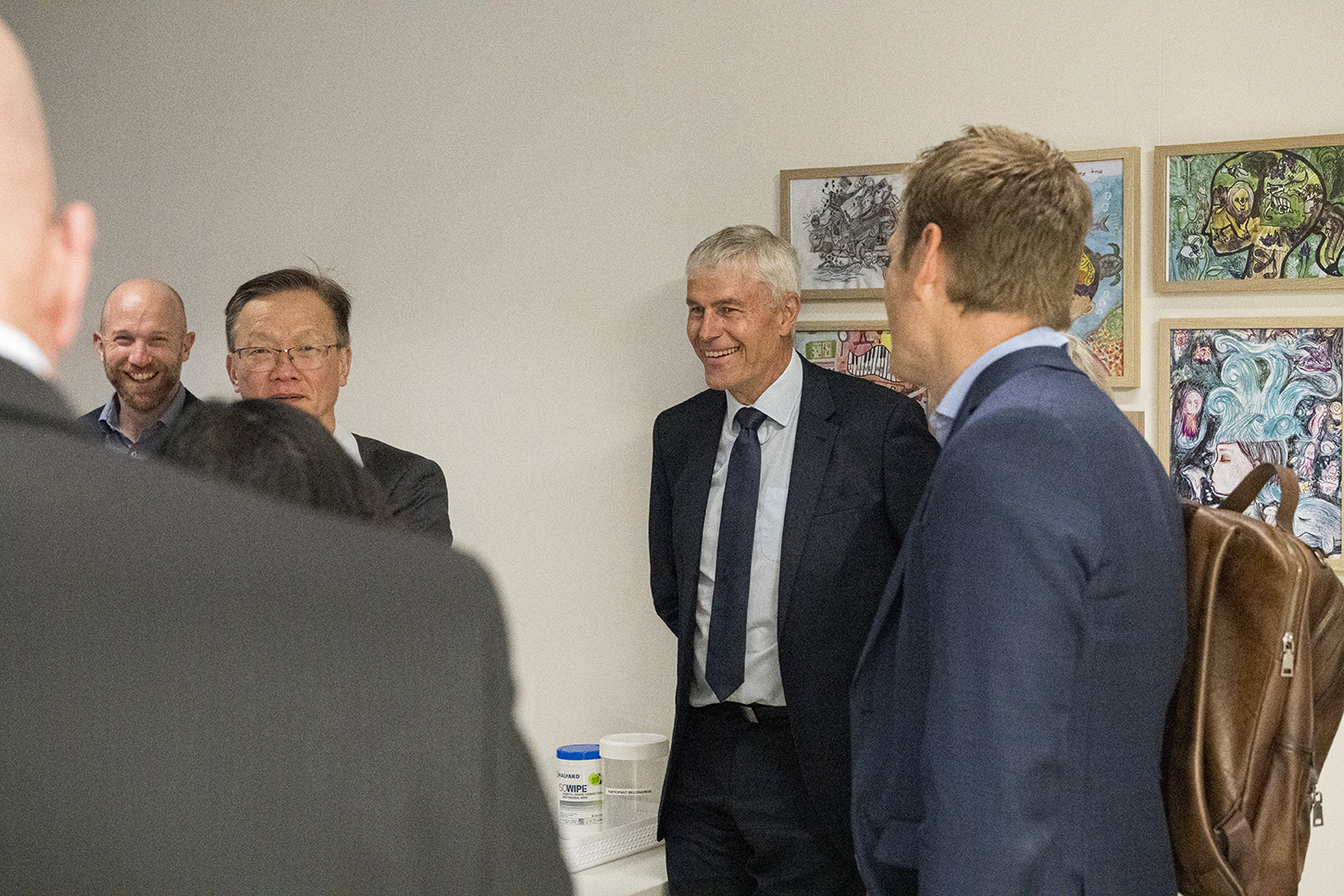
Launch photos, courtesy of Monash Biomedical Imaging/Sarah Flaim (NIF)