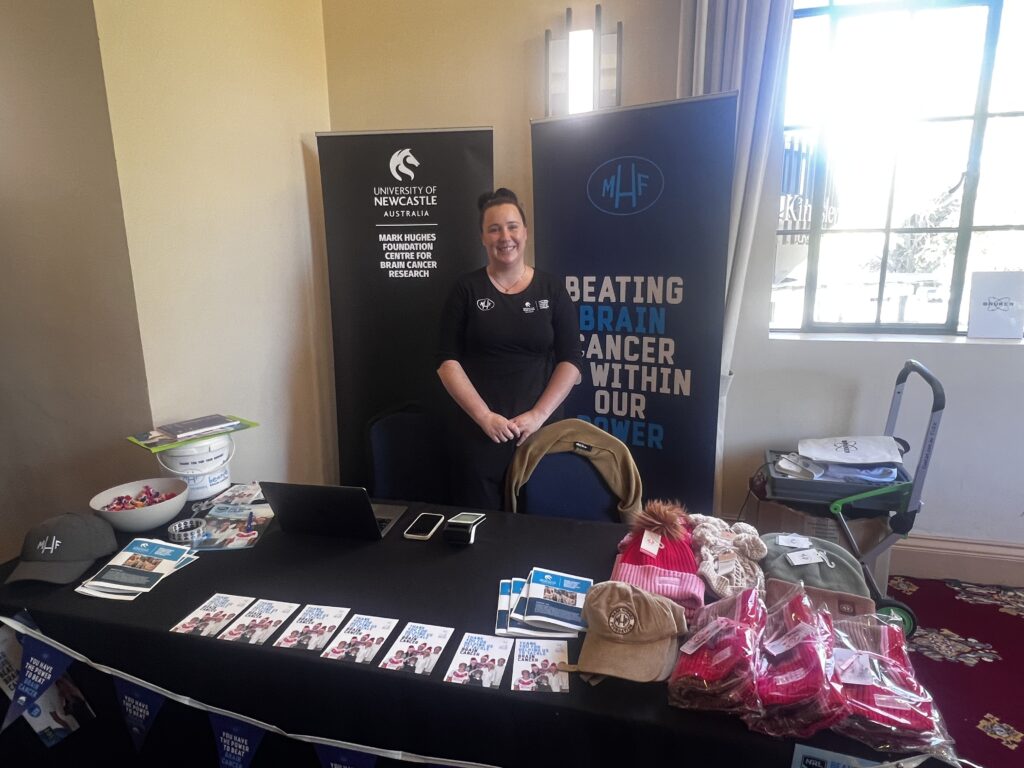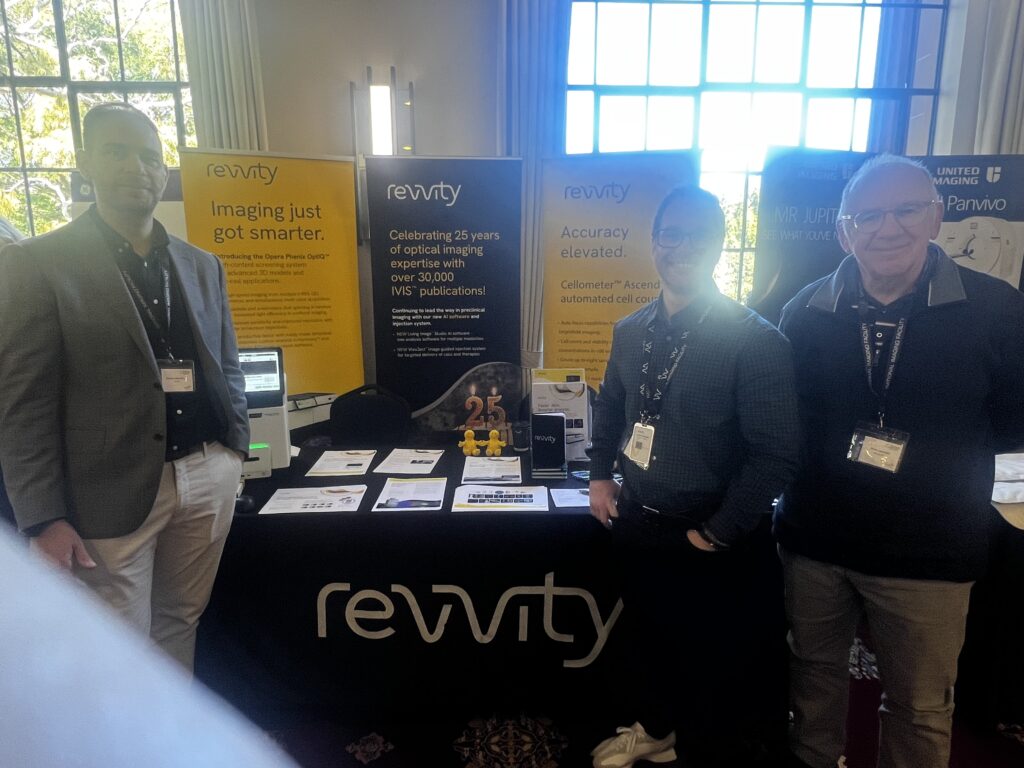

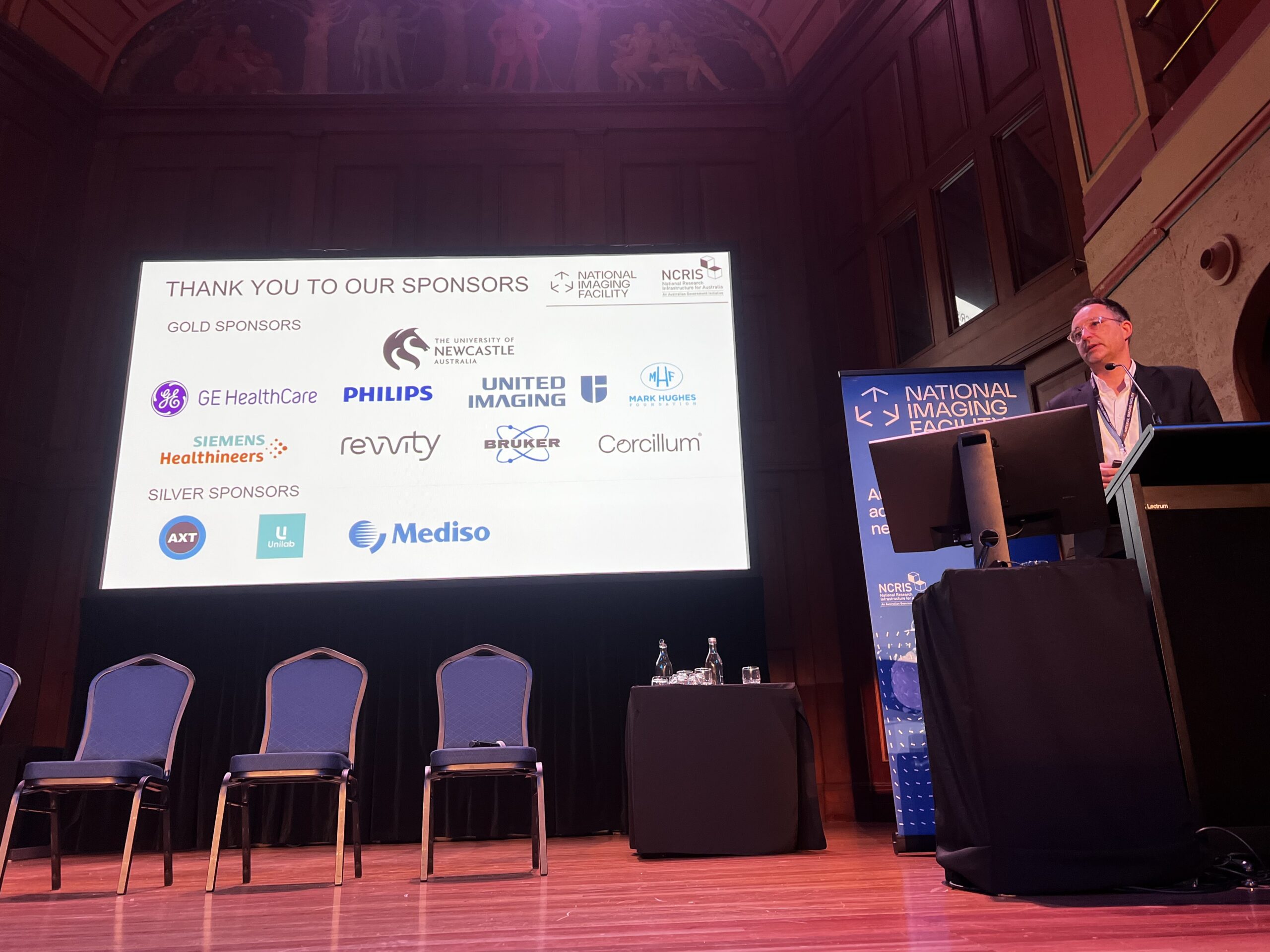
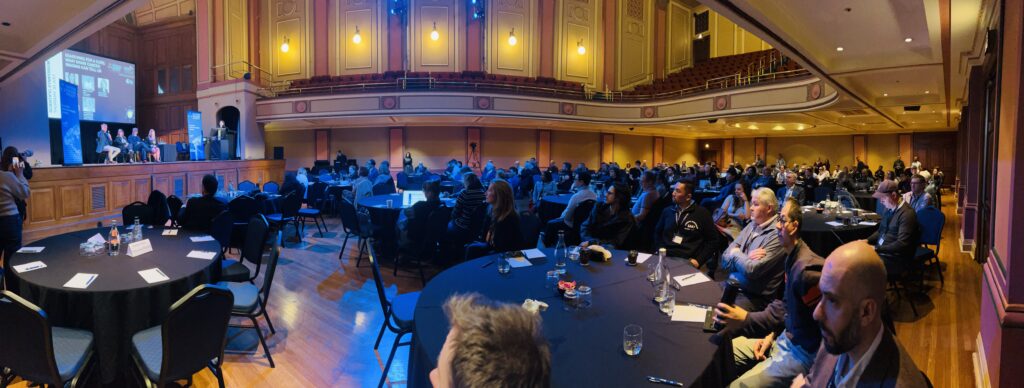
At the 2026 NIF scientific symposium, about 200 participants met for five lively and innovation-filled sessions chaired by imaging specialists and professors.
“I’m excited about how healthy and vibrant the imaging field is, and the impact personalised medicine will have on a range of complex, chronic diseases,” said Prof Steve Meikle (University of Sydney and chair of Session 2).
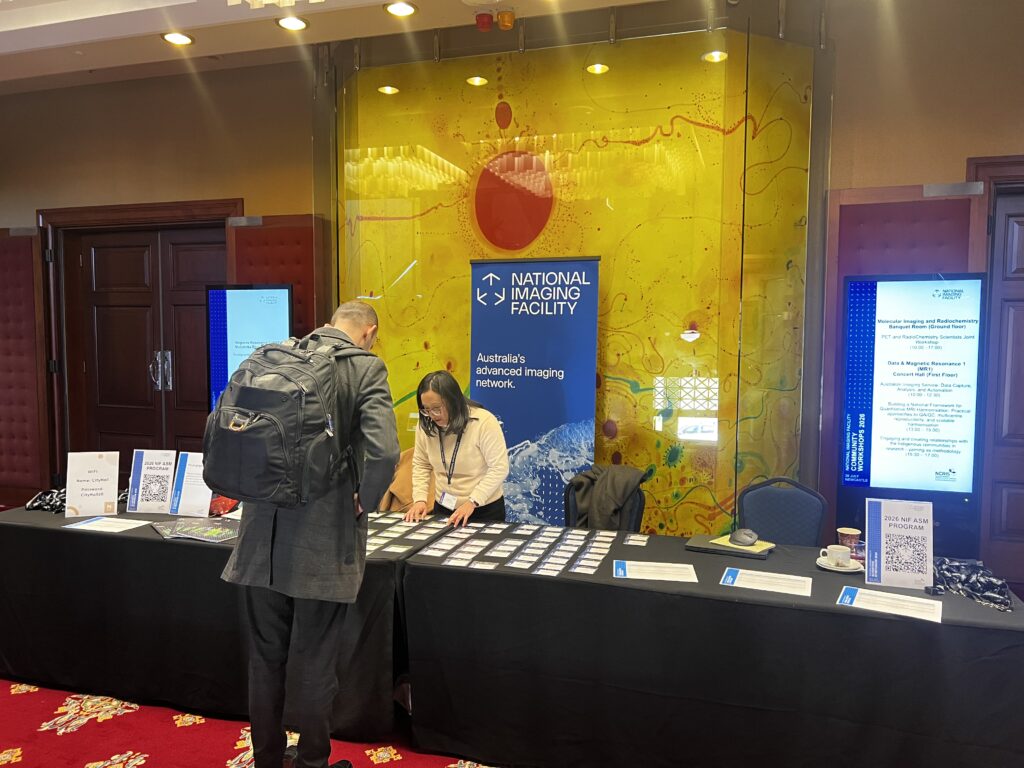
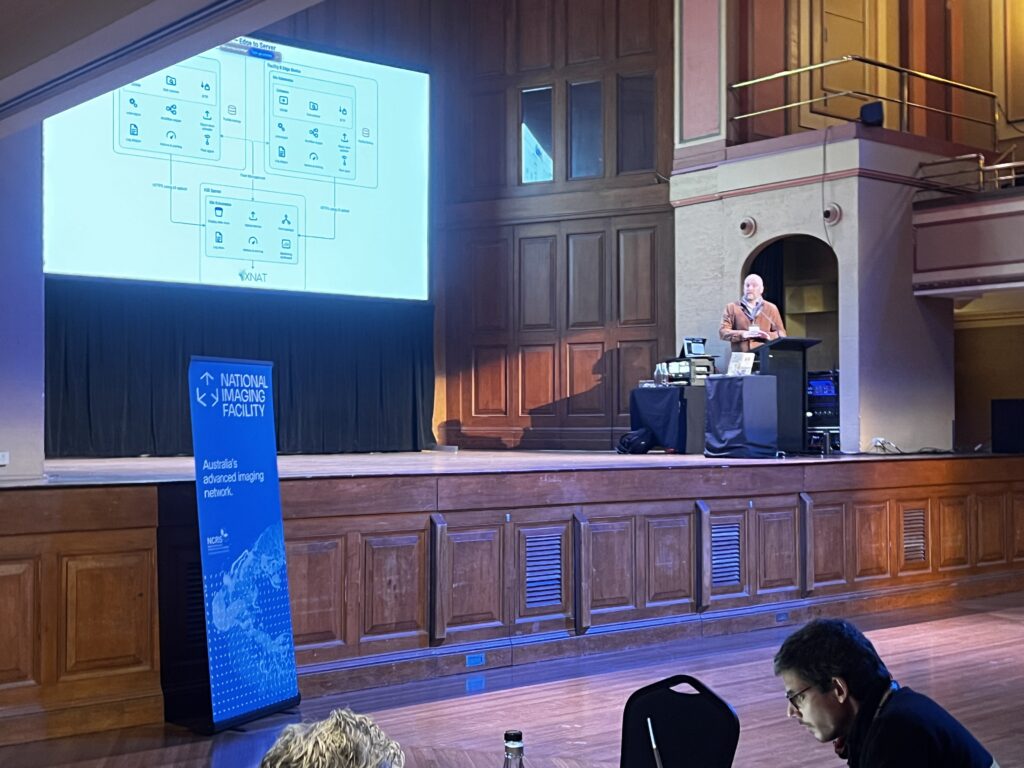
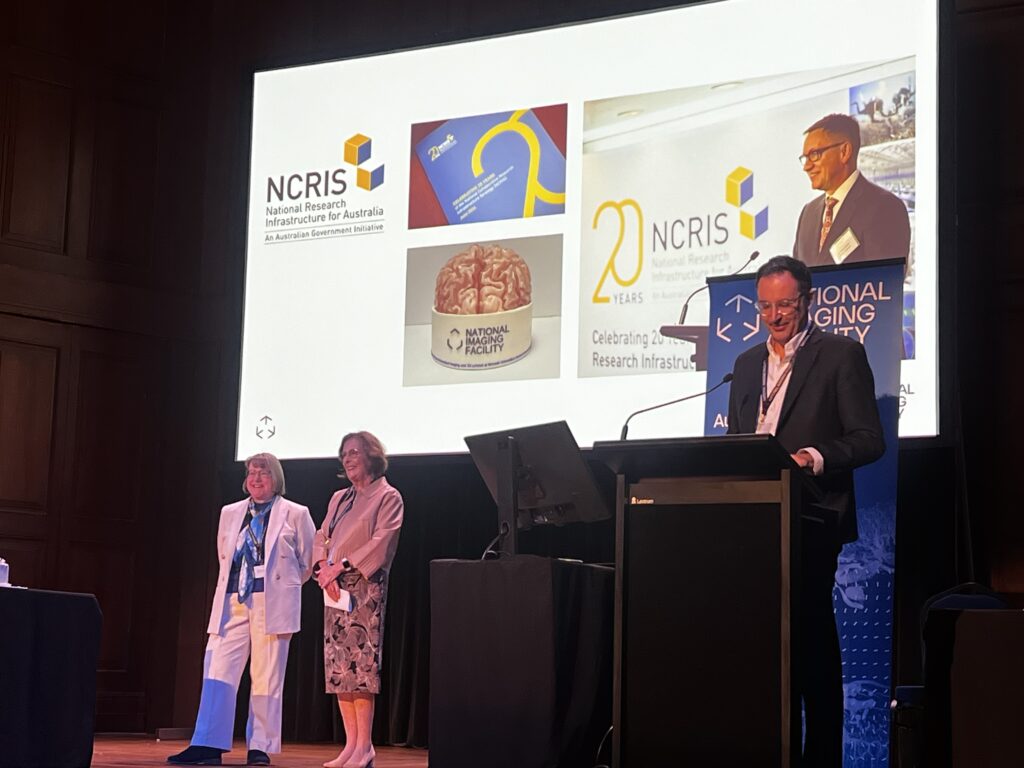
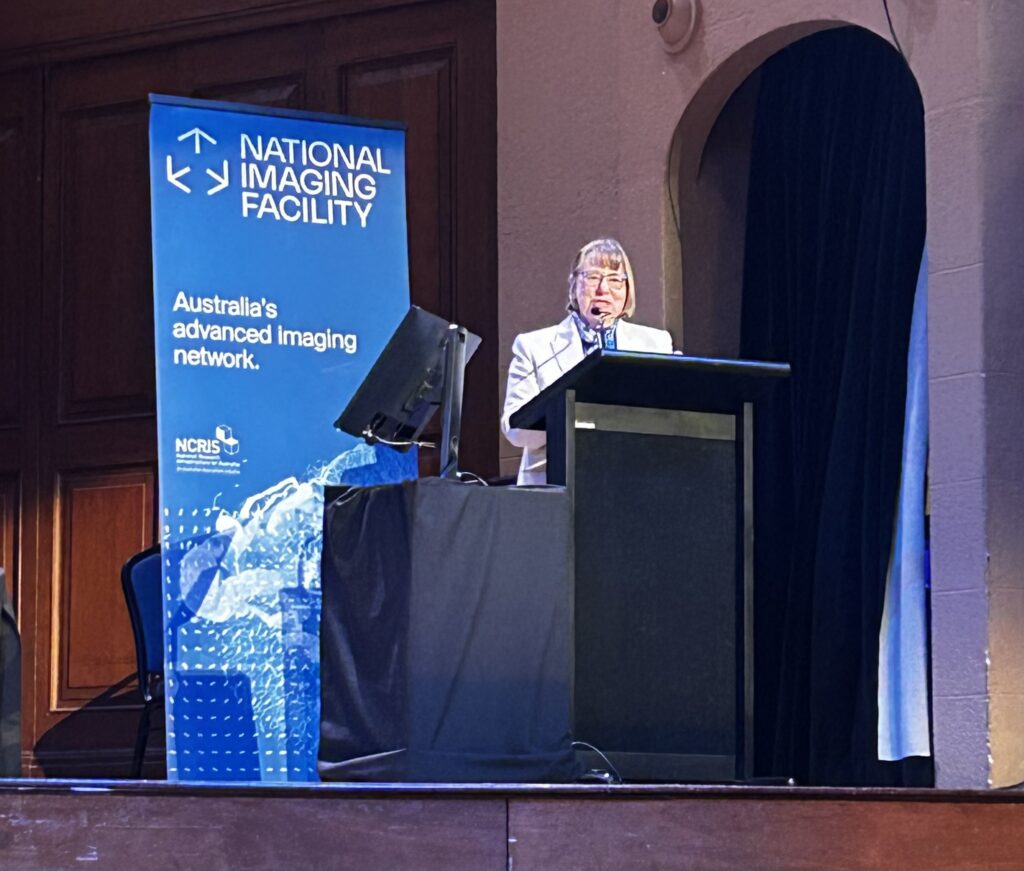
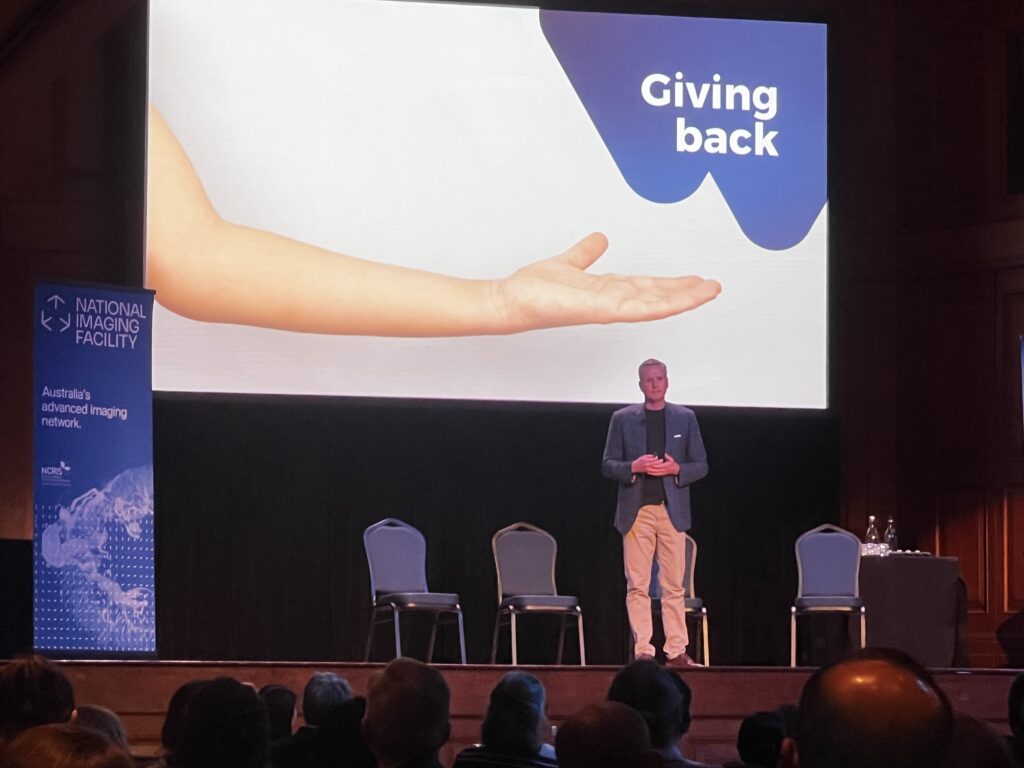
Generously co-hosted by Newcastle Node the HMRI Imaging Centre, the symposium began with a Welcome to Country at Civic Park, across from the venue of Newcastle City Hall. Aunty Cheryl, Uncle Ray and Uncle Malcolm led the Welcome from Awabakal People, before attendees were welcomed at the city hall by Board Chair Emeritus Prof Annabelle Duncan and NIF CEO Prof Wojtek Goscinski.
“We’re incredibly proud to host the NIF ASM in Newcastle this year,” said A/Prof Saad Ramadan (HMRI), speaking also for Node co-Director Prof Michael Breakspear. “It’s a wonderful opportunity to share our beautiful city, celebrate its rich Indigenous heritage, and showcase the leading imaging research being undertaken at our node. I’m confident attendees will leave inspired by the science, collaborations and community spirit of the meeting.”
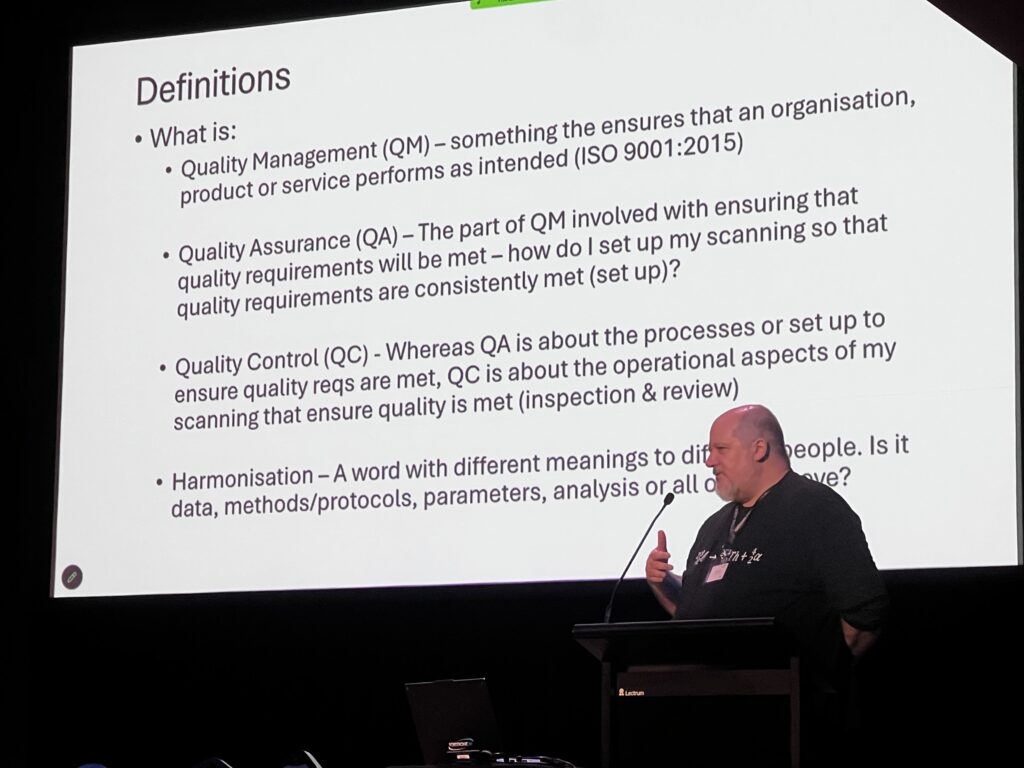
NIF celebrates 20 years of people-power
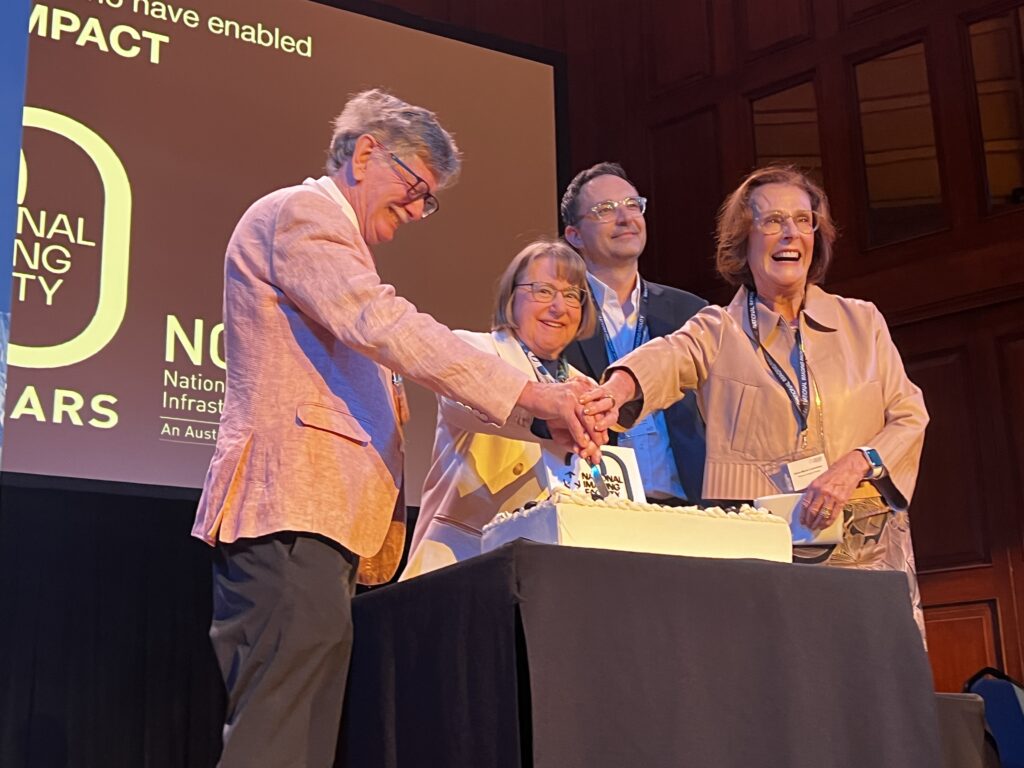
NIF celebrated its 20th birthday during the symposium. The occasion served to mark the milestone of two decades of people enabling real-world impacts from advancing imaging throughout Australia and worldwide.
“As we welcome Mark Hughes here, his presence reminds us that behind every scan, there’s a person and a family,” said Prof Goscinski, reflecting on the very real human impacts of imaging work.
He highlighted NCRIS as a powerful strategic asset of Australia’s that “helps Australia compete internationally despite our geography and scale, and achieves much more than what one organisation could ever do alone.”
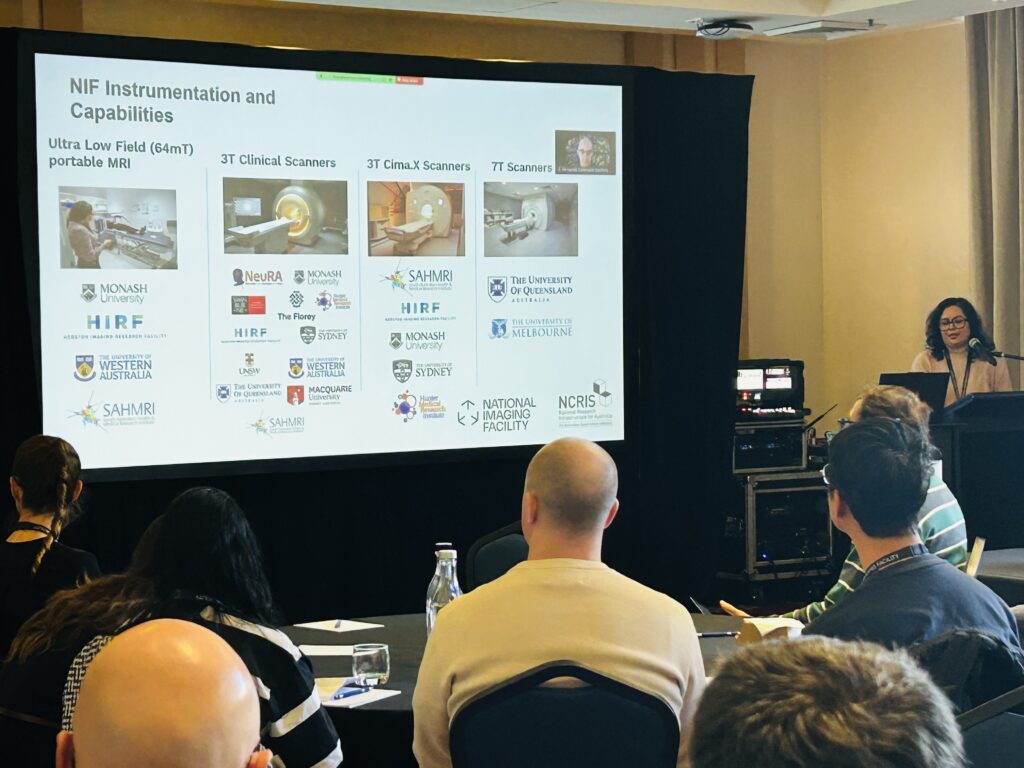
The sessions began after a discussion-filled and collaborative day of community workshops the day before (Wednesday). Human MR network lead Dr Rishma Vidyasagar (NIF) said that the workshops provided their leaders with valuable feedback about how best to engage with people, especially to target useful training to support their capacity-building and skill development.
“I’m excited about having a sustainable framework for collaboration that brings together Australian imaging expertise and specialisation. This will enable streamlined multi-site translational research,” she said.
Innovation and impact showcased in sessions
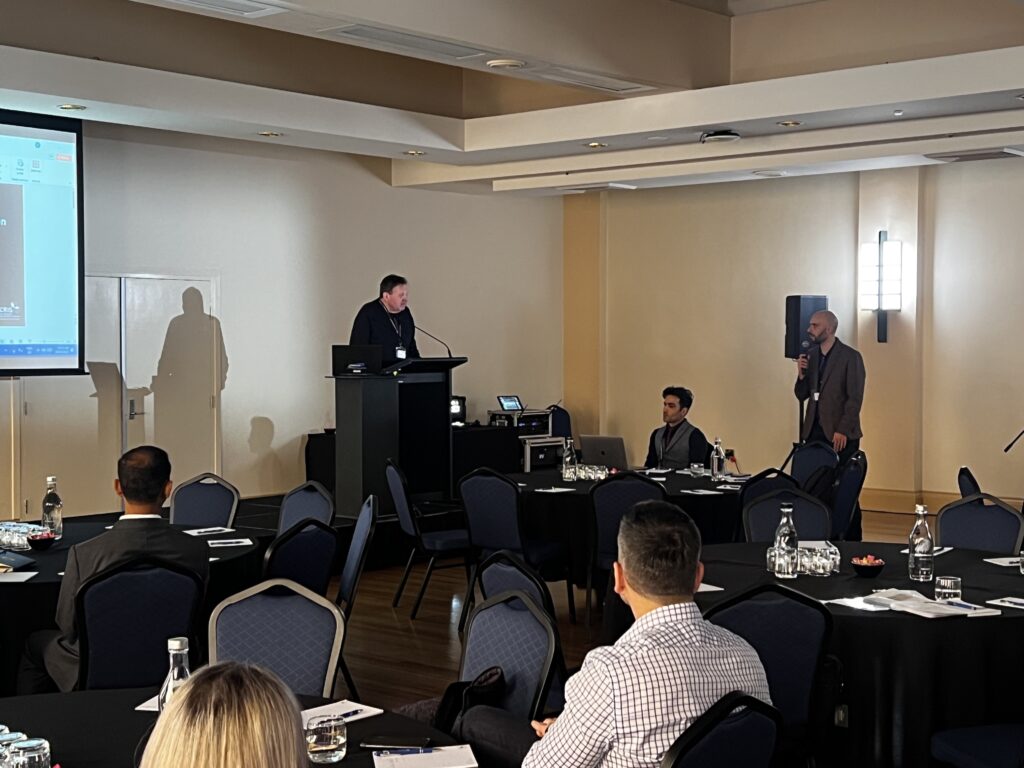
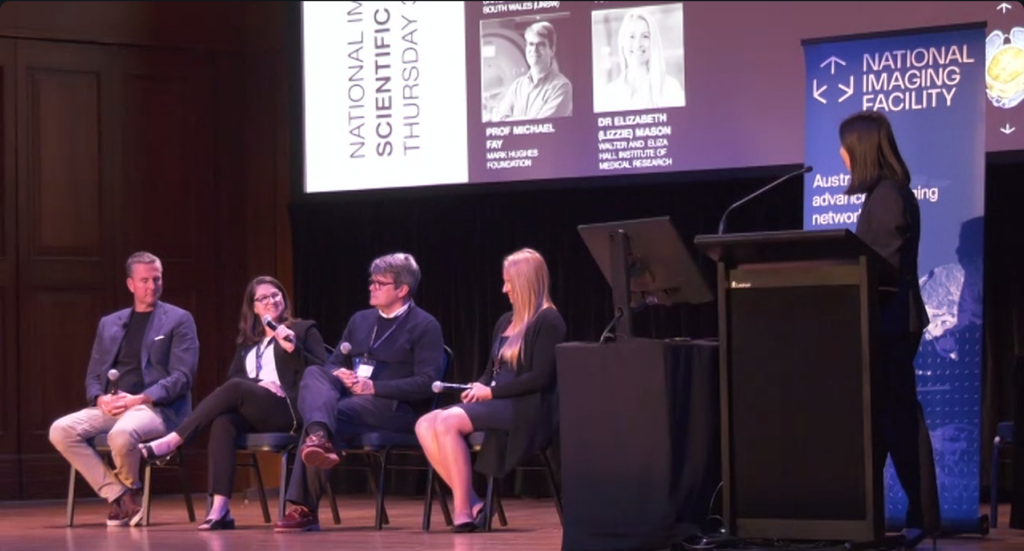
Moving into Session 1, the panellists discussed how brain cancer imaging can help in the search for a cure. Sub-sessions covered a paediatric brain cancer data linkage platform, theranostics in brain cancer, and using national imaging infrastructure for collaborative brain cancer research.
Prof Michael Fay (Mark Hughes Foundation) offered his well wishes on the anniversary occasion: “I’ve really enjoyed the collaboration fostered by the NIF network, which I think is as valuable an asset to the country as the equipment which NIF has supported.”
“It has been great to see the range of innovative projects which have been supported across Australia. Congratulations on getting to your 20th anniversary – the future looks bright for the next 20 years,” he said.
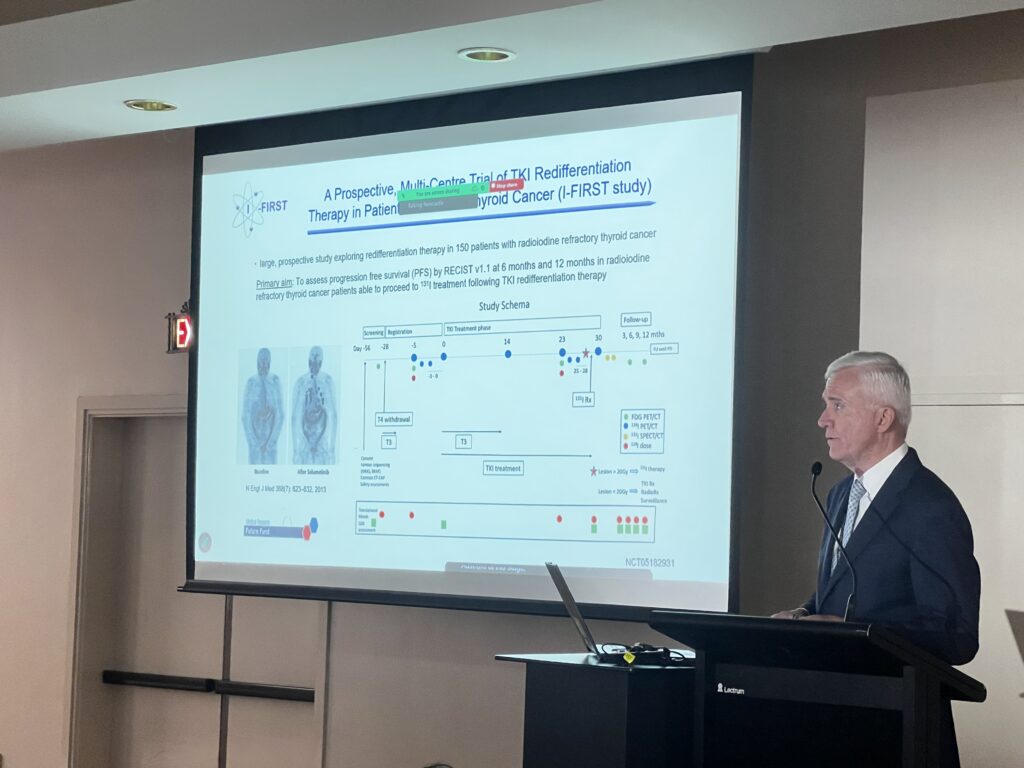
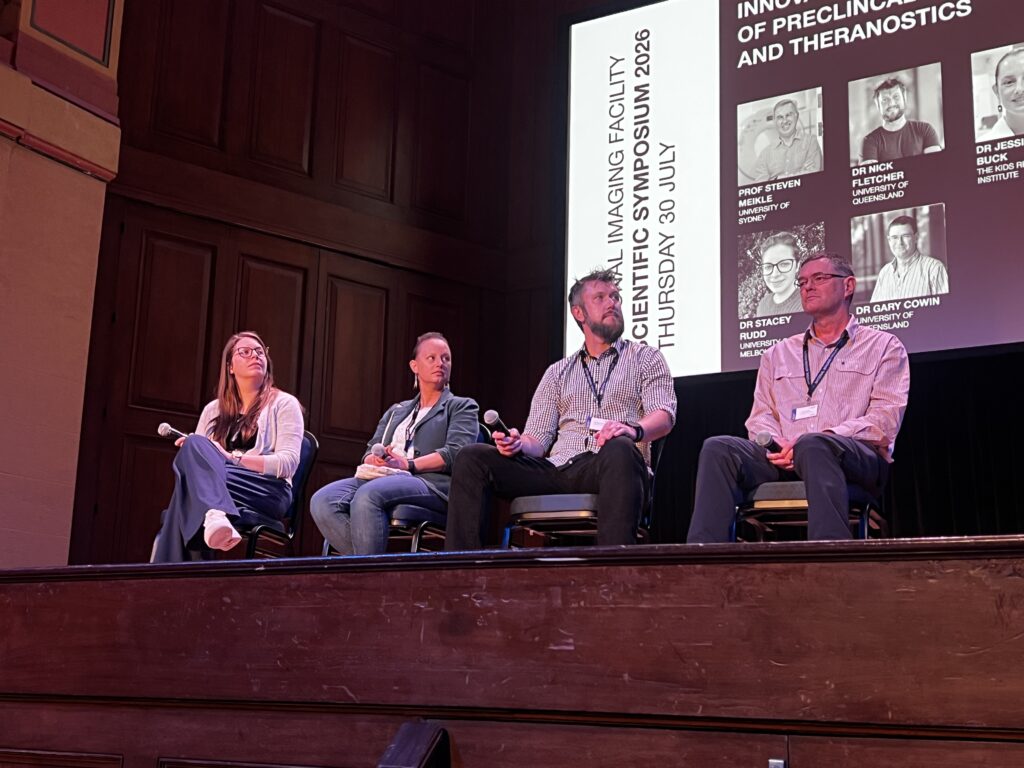
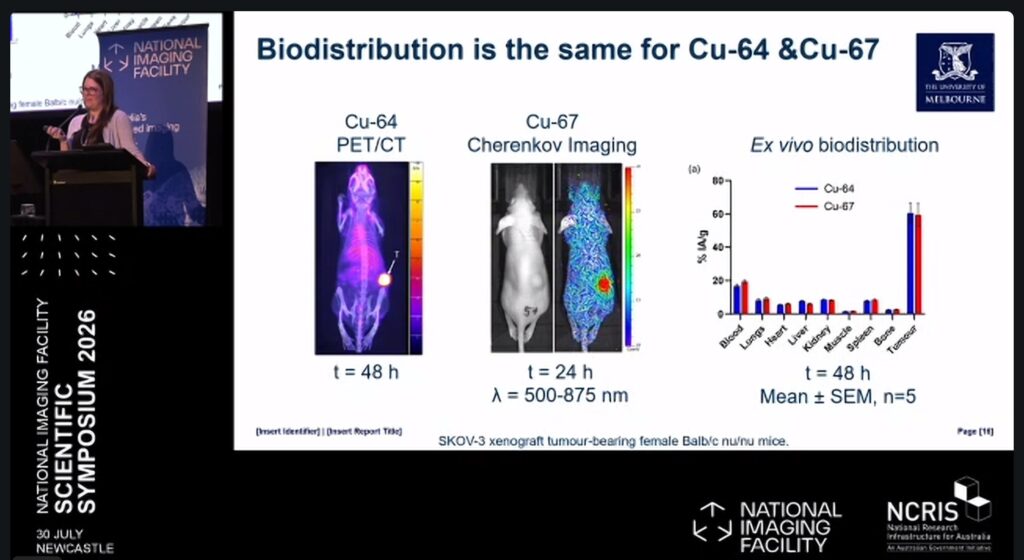
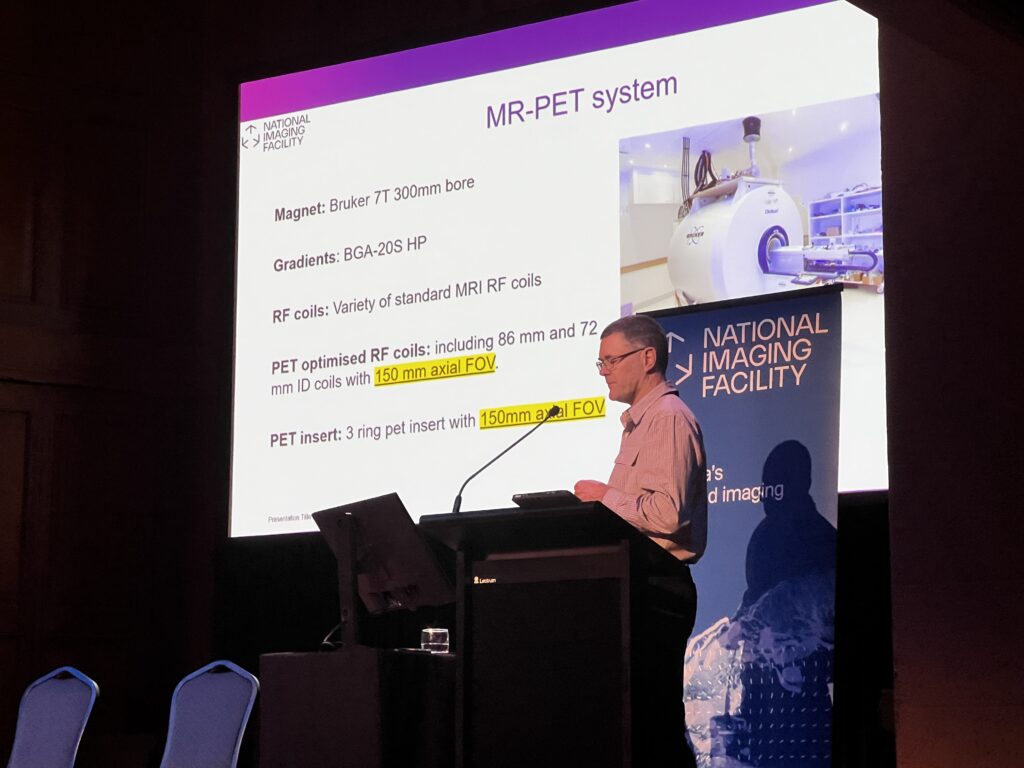
Session 2 followed with the topic of innovative applications of preclinical imaging and theranostics. The four sub-sessions looked at alpha therapies, using imaging to understand the long-term effects of childhood brain cancer treatment, antibody-targeted radiopharmaceuticals, and MR-PET to assess the blood brain barrier.
Session chair Prof Meikle considered what had emerged at the ASM regarding theranostic/preclinical work. “A common theme has been developing techniques that move us closer to the promise of personalised medicine. Whether that be new theranostic agents for personalised radionuclide therapy (e.g. alpha therapy), or advancing our understanding of what biological mechanisms drive response versus non-response to targeted therapies,” he said.
“It is impossible to predict what new technologies will be developed over the next 5 or 10 years, but I am very confident that the field will continue to make impressive advances led by the next generation of imaging scientists.”
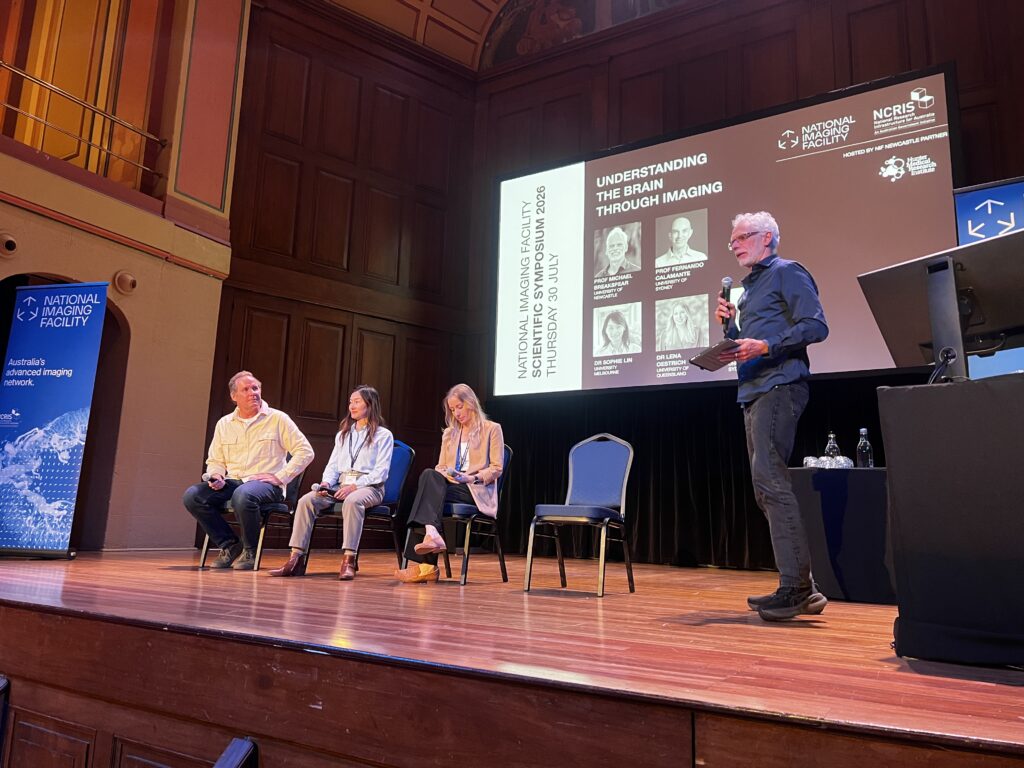
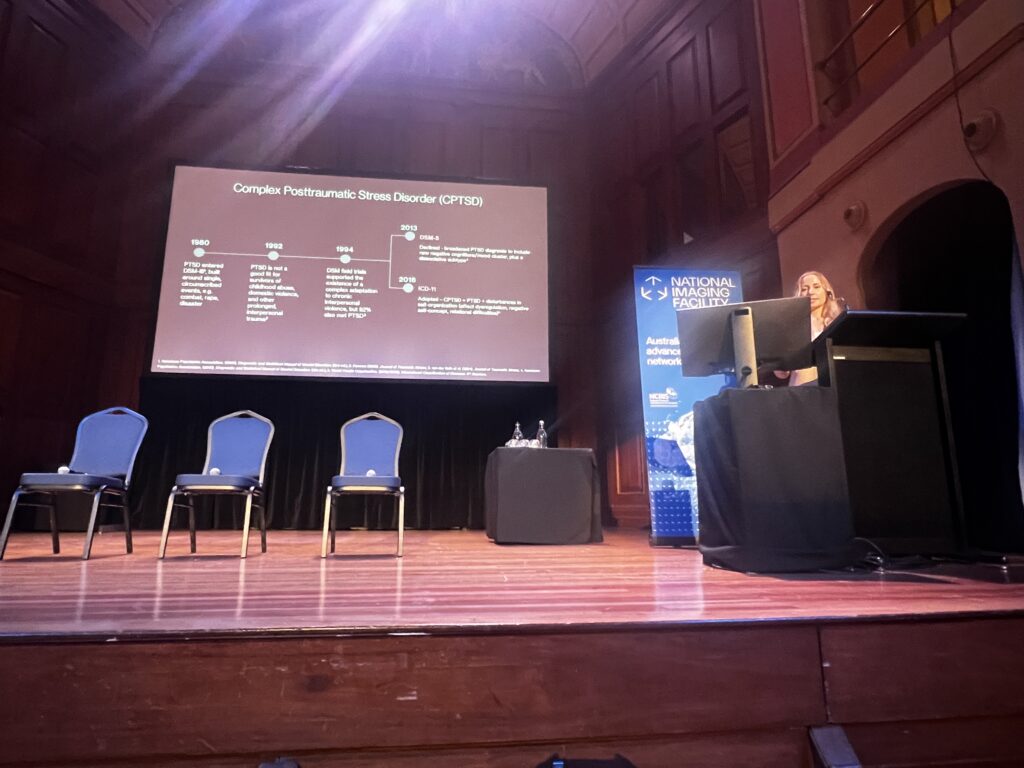
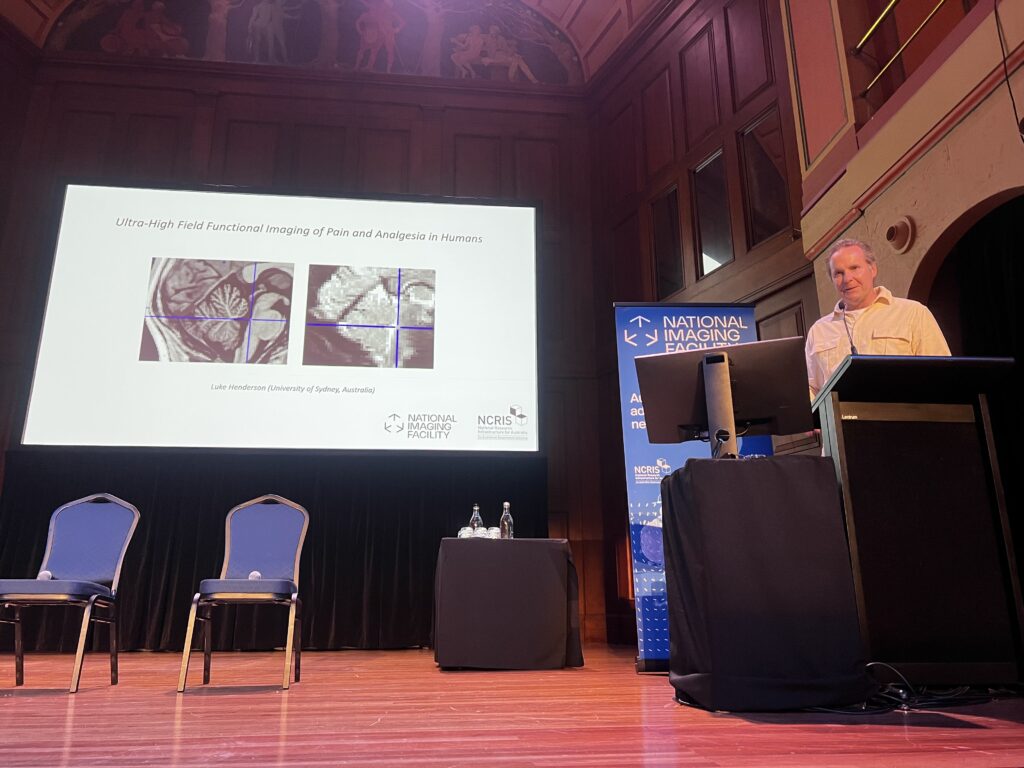
Session 3 looked at understanding the brain through imaging, with sub-sessions covering a diffusion MRI tractogram, a pilot study assessing cellular responses, imaging for PTSD, and functional imaging for pain.
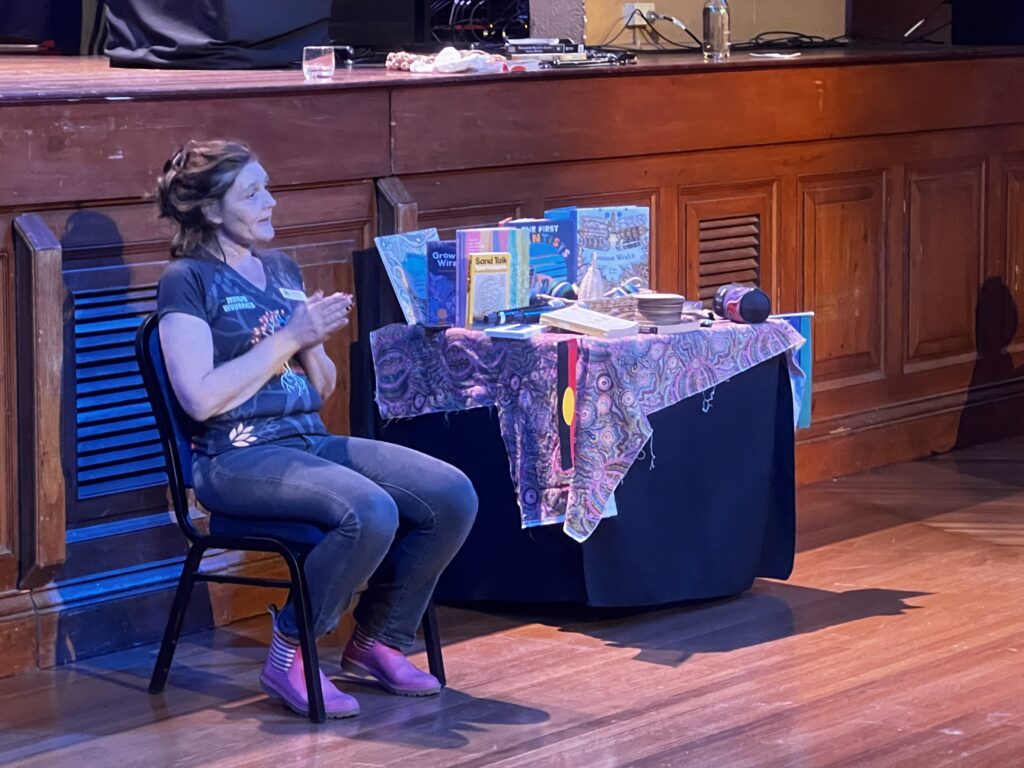
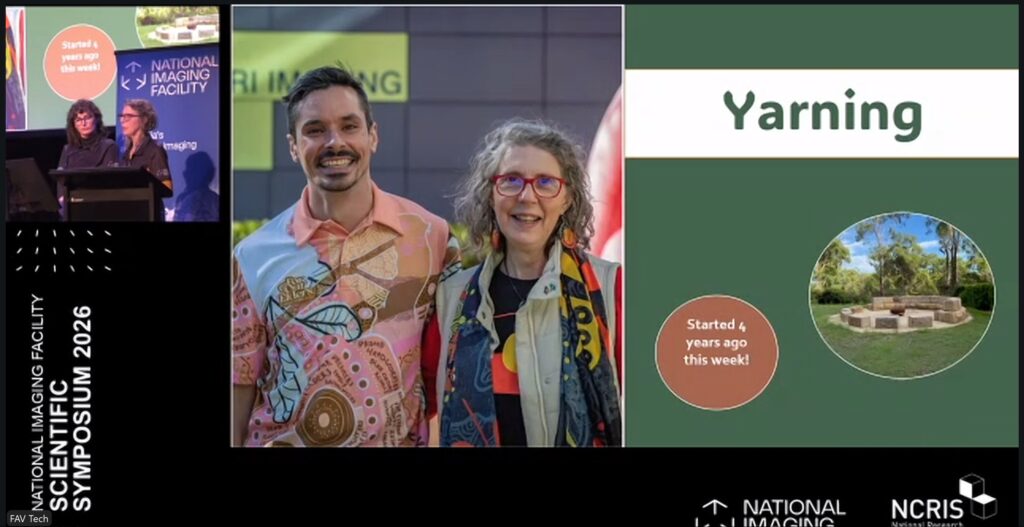
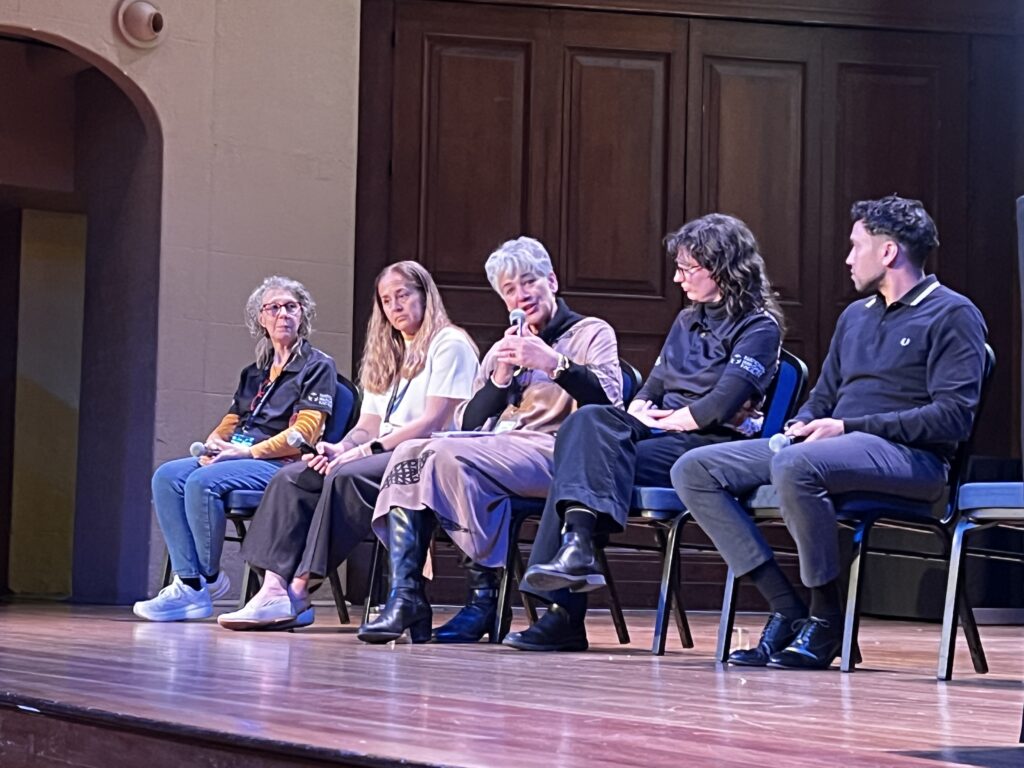
Following on the community workshop about establishing relationships with indigenous communities, Session 4 discussed imaging in First Peoples’ communities. The sub-sessions talked about doing research differently and sovereignty of data.
The First Peoples’ session (and previous day’s workshop) indicated, according to speaker and workshop leader Dr Jennifer Rumbel (Gamilaraay ngaya woman and Indigenous Imaging Fellow at the Hunter Medical Research Institute) that “people were keen to engage” and that “NIF and the Nodes are wanting to learn more in order to engage and support Indigenous-led research.”
“As an Aboriginal woman this has a feeling of right time, right place, right relations; people are ready to engage,” she said.
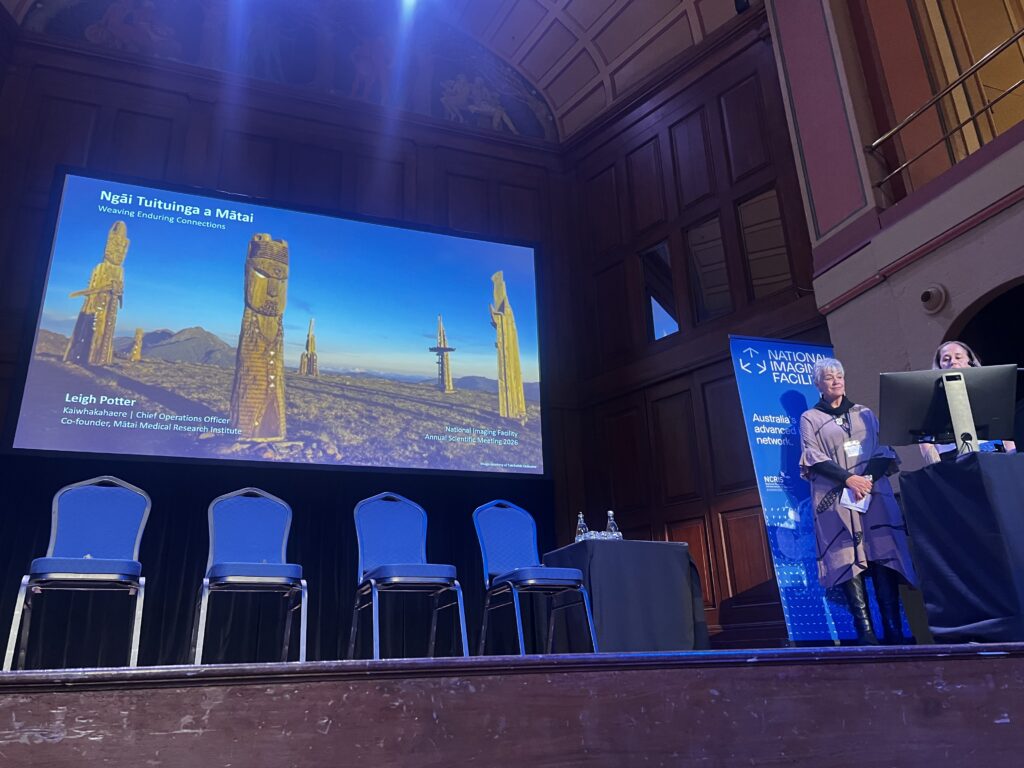
Session 4 was very enthusiastically received: “I really enjoyed the session on yarning as a methodology and engaging with Indigenous communities in research, including local experts and my homeland colleagues at Mātai,” said NIF COO Sarah Flaim.
“It was a great reminder of the importance of listening, building genuine relationships and taking the time to foster trust. What stood out to me was the idea that meaningful engagement can’t be rushed; often the most valuable outcomes come when relationships are allowed to grow organically. That’s something I hope to see more of across the research sector.”
Congratulations to Power Pitch and Poster prize-winners
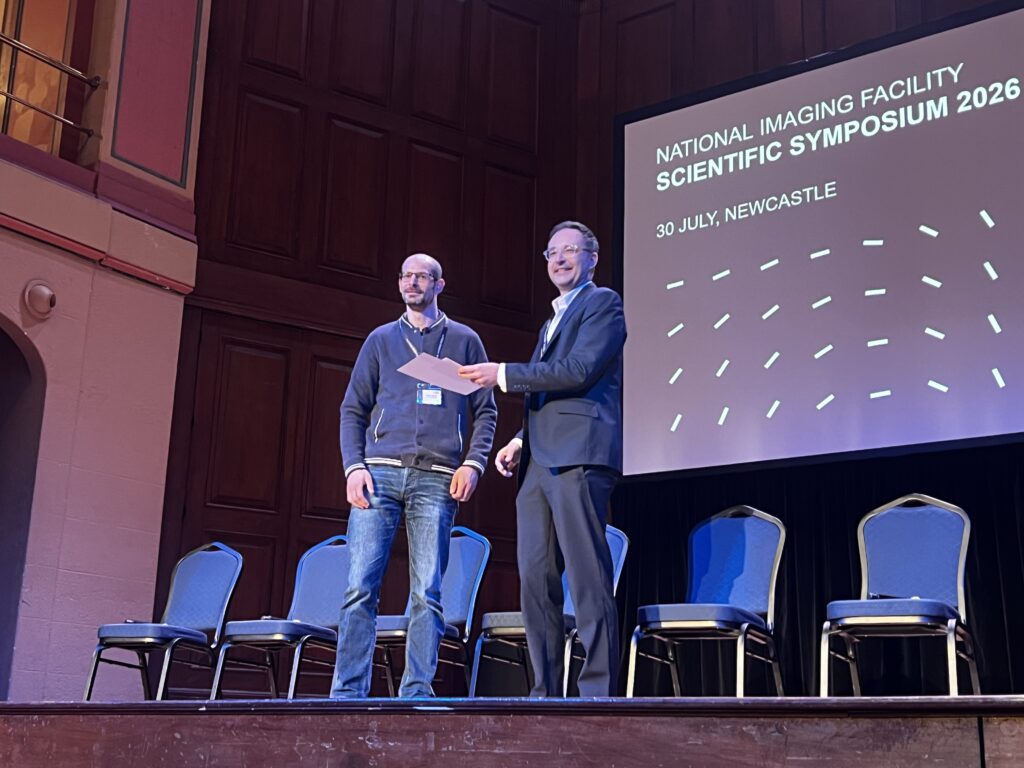
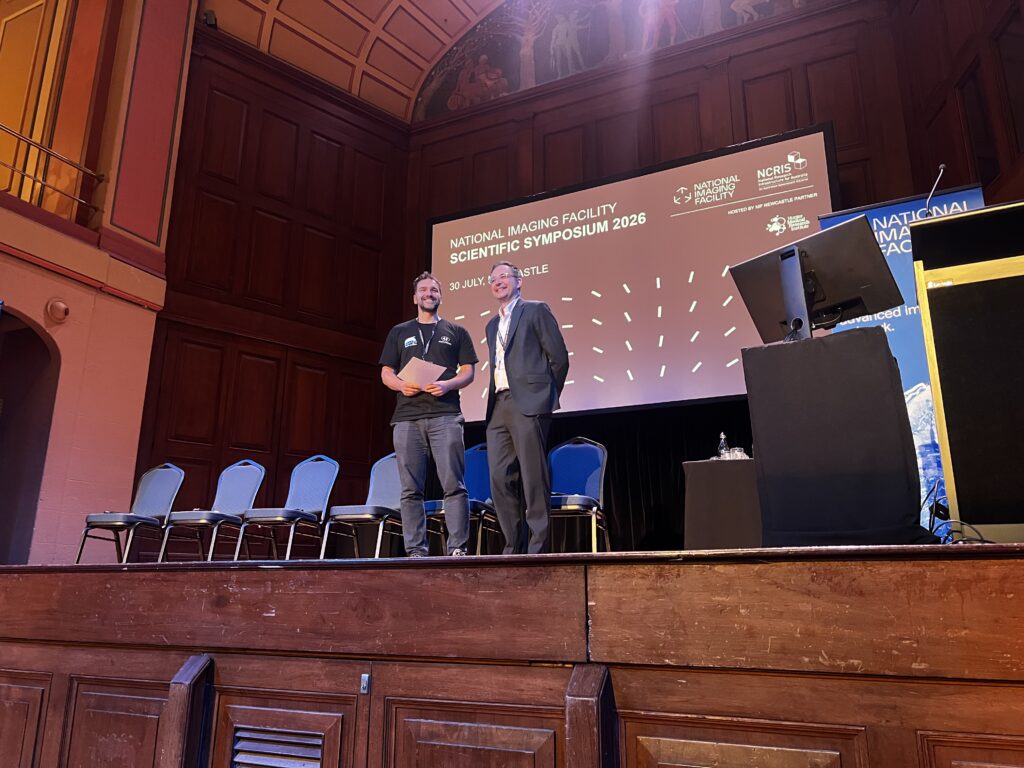
We also congratulate our Power Pitch and Poster prize-winners. The last session from yesterday’s ASM was a treat of compelling, snappy, 3-minute presentations of imaging ideas and innovations from 8 imaging experts.
Dr Anthony Paproki from The University of Queensland won the Power Pitch competition with his work ‘Unearthing Crop Potential: Micro-CT and AI Image Analysis of Root Responses to High Soil Strength’, and PhD student Christian Behler at the Mark Hughes Foundation Centre for Brain Cancer Research took out the Student Poster Prize award for his work on the temperature of brain tumours.
We were thrilled to announce these winners, but are so privileged to have heard from all admirable entrants in the poster competition and other excellent power pitch competitors Ingrid Burvenich, Yun Zhao, Samiha Prima, Kh Tohidul Islam, Michèle Masson-Trottier and Adam Martinac.
The session was chaired by Dr Ekaterina Savinova (Caty) and Dr Michael de Veer. We know the work of this afternoon’s presenters will continue to advance imaging across Australia – NIF is looking forward to supporting it through our capabilities and networks.
National gathering, great networking
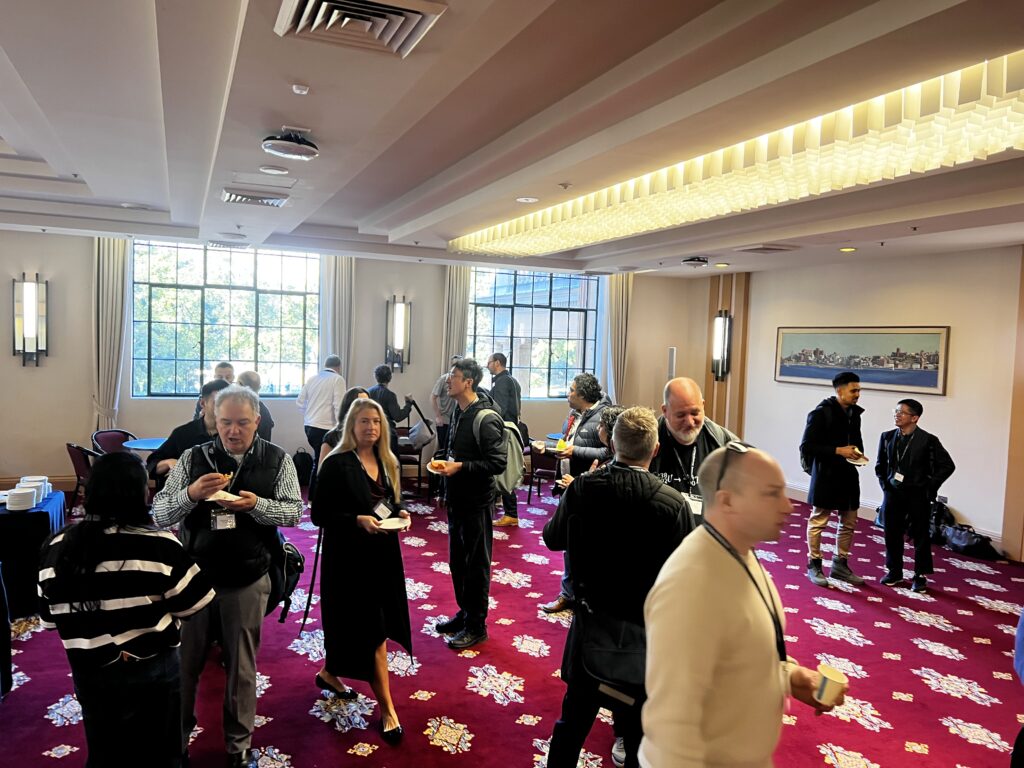
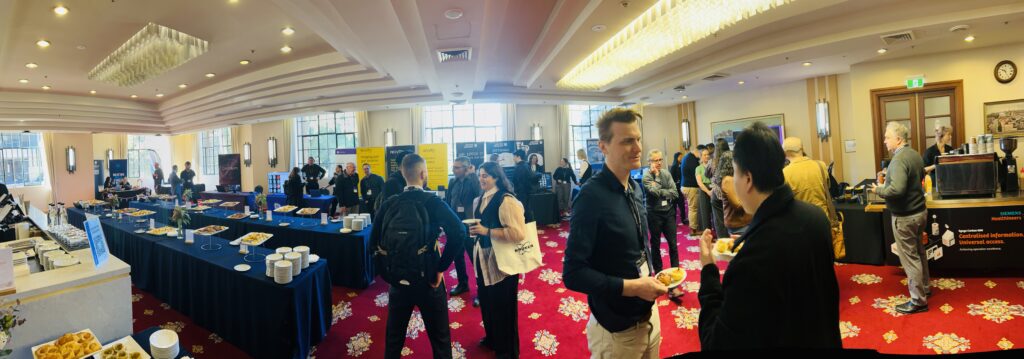
As always, the NIF ASM occasions are valuable opportunities for the advanced imaging communities to come together for wide-ranging conversations about innovations, new ideas, process and methodology challenges, and more.
This year’s ASM was no different.
“The networking often offers great, often unexpected conversations that take place with colleagues when we have the opportunity to come together,” said Prof Meikle. “These conversations often lead to new collaborations and ideas on how to leverage the incredible infrastructure we’ve built through NIF.”
Co-host, co-organiser and Node co-Director A/Prof Ramadan, after reflecting on the 2 days of discussions, explained his hopes for the future of imaging in Australia.
“What excites me most is the opportunity for NIF to become a truly connected national imaging ecosystem,” he said. “Imagine researchers being able to securely find and access existing imaging datasets from across Australia, reducing duplication, enabling larger studies, and delivering greater value for both research participants and the wider community.”
We couldn’t have said it better.
Our thanks to everyone involved
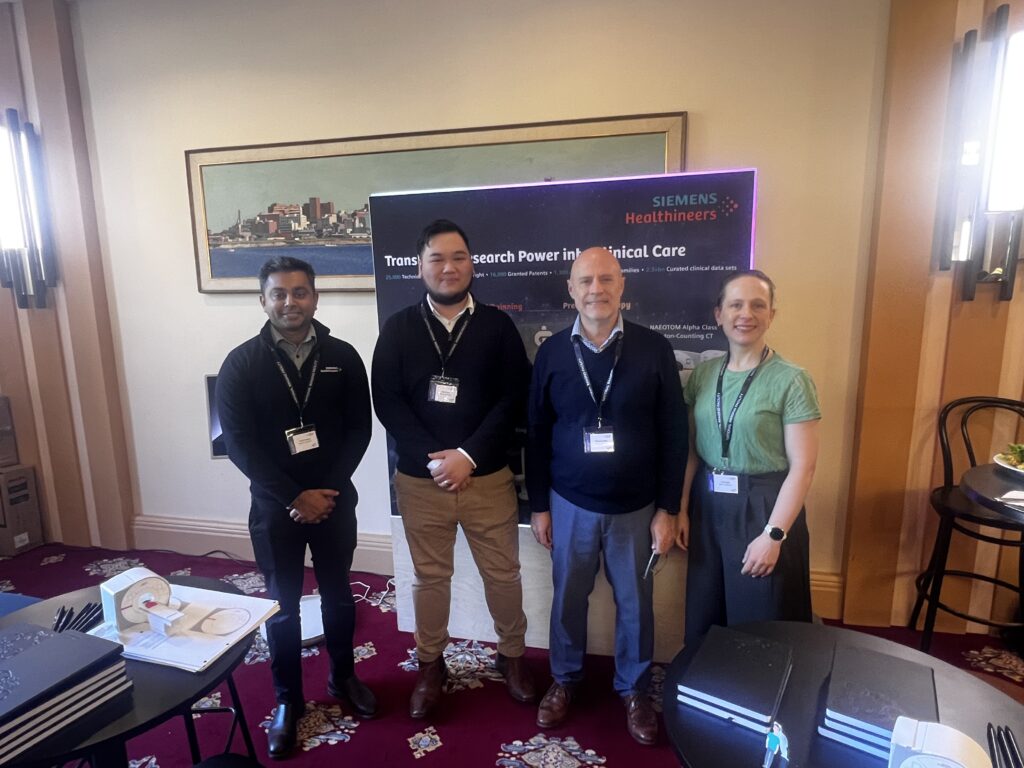
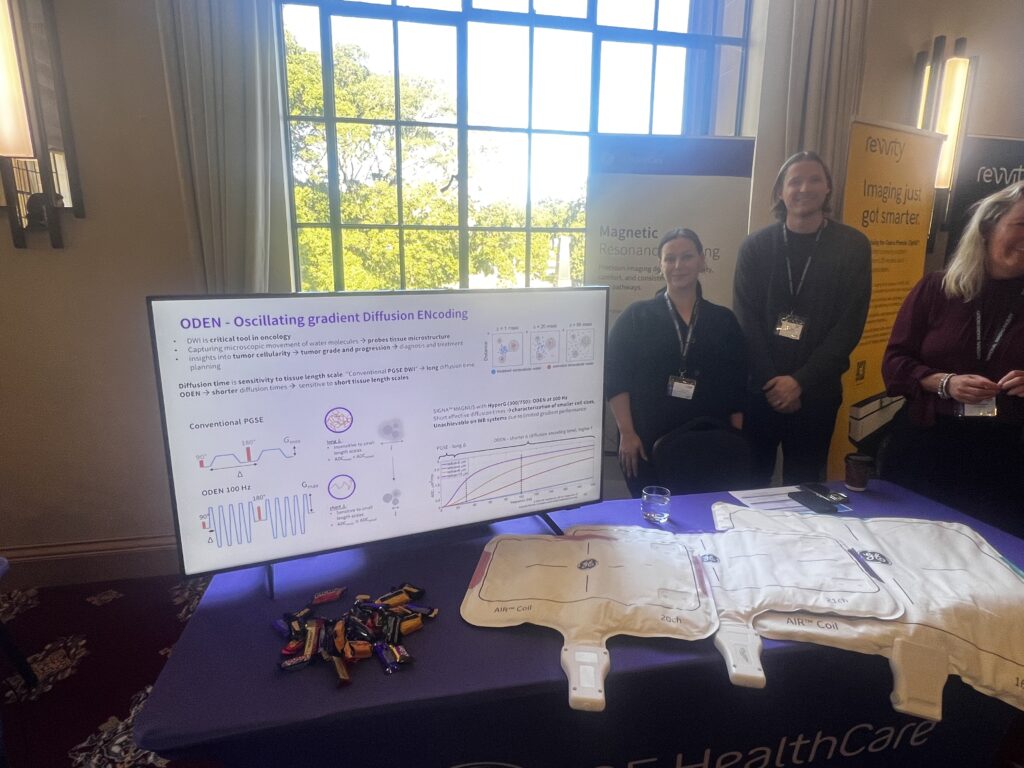
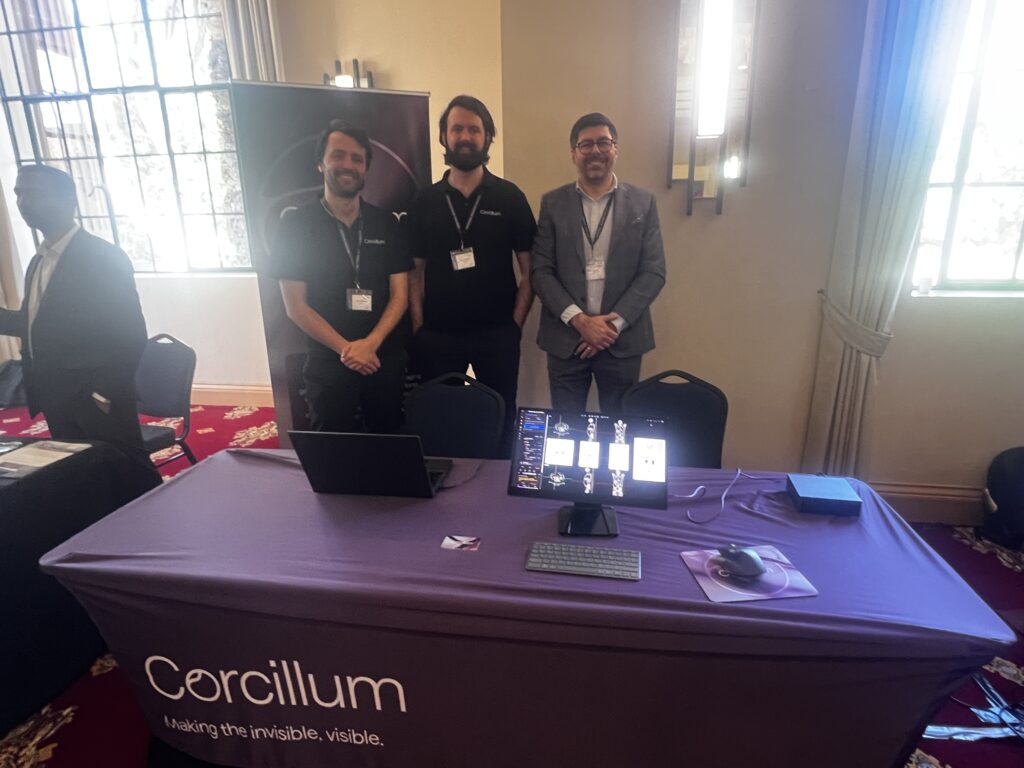
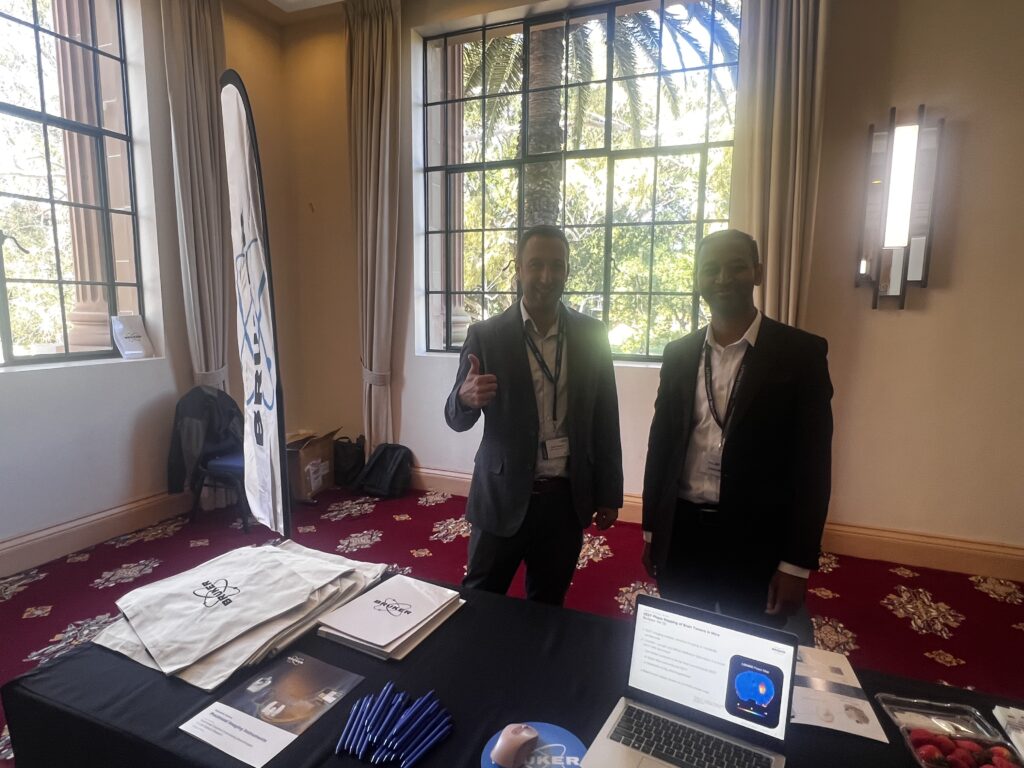
Thank you to the people that made the scientific symposium and community workshops such a success: from our enthusiastic attendees in person and online, to our well-prepared speakers, our thoughtful session chairs, the raft of detail-oriented organisers, our supportive sponsor representatives, our collaborative Board members, and more!
The exchange of knowledge, innovative ideas and collaborative discussions throughout this year’s ASM has reinforced the strength and vitality of our imaging community. We look forward to building on the connections and insights gained over the past few days – and after today’s Community Meetings – as we continue to advance research, foster collaboration, and address the challenges and opportunities ahead.
Until we meet again at our next scientific meeting, thank you all for being part of this inspiring and impactful event.